
Updated 09/04/25
The type of plants associated with a coastal garden style often have silvery colour, thin needle-like or waxy leaves. These features help plants conserve water, protecting them from dehydrating coastal winds and during times of drought.
The plants are full of texture and movement. They bring a sense of wildness and freedom to any outdoor space. Happily, you don’t need sea views to get that fun, informal look. Most coastal plants thrive in well-drained soil and a sunny spot.
They are tough and used to battling strong winds, salty air, and poor soil on steep banks or rocky areas. It’s fantastic to bring that seaside flavour to your garden, especially when you live far from the coast.
So, I’ve picked the top 10 coastal plants to bring the beach to you.
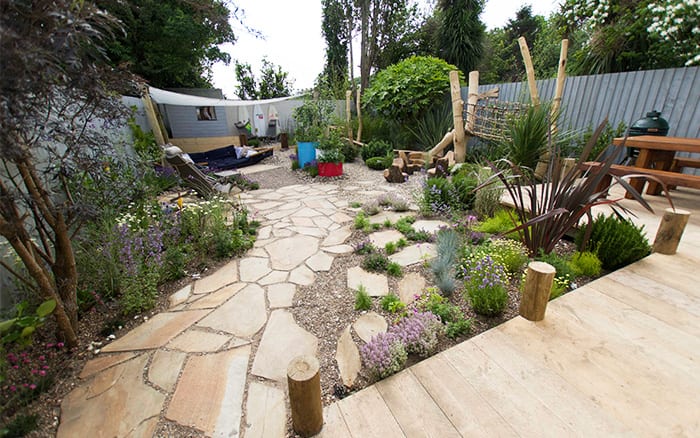
Coastal garden from ITV’s Love Your Garden
My Top 10 Coastal Plants
1. Echium vulgare (viper’s bugloss)
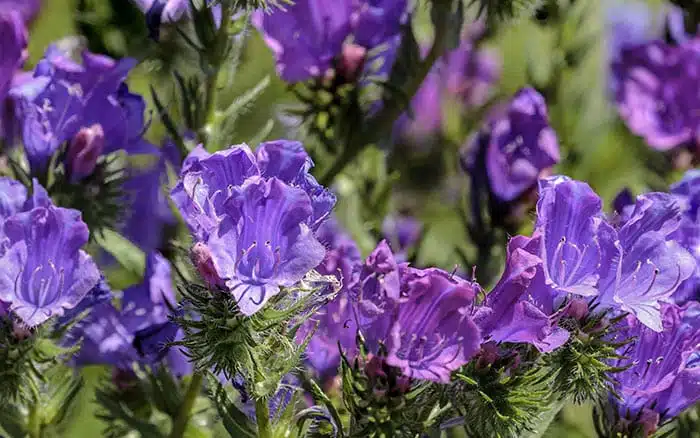
This tall plant has lovely upright spikes of tiny purple flowers, often with bright stamens. Bees and pollinators love it. It also self-seeds, so it’s really low maintenance.
- Sun – Full sun
- Position – South, North, East or West-facing
- Exposure – Exposed or sheltered
- Moisture – Well-drained
- Soil – Loam, chalk, or sand
2. Rosmarinus officinalis (rosemary)
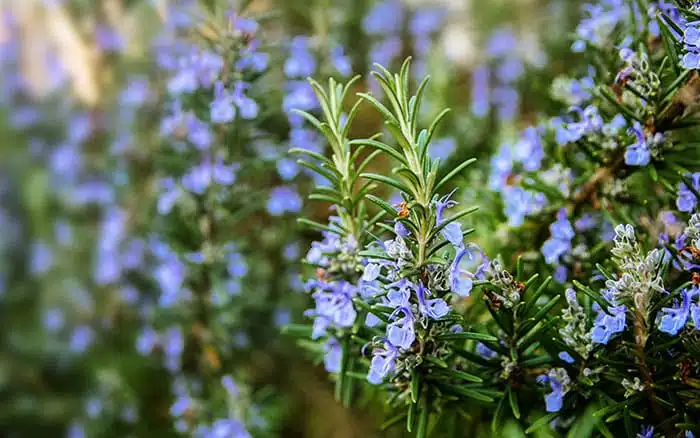
A woody Mediterranean herb that’s perfect for a seaside spot. This one is incredibly hardy and evergreen. It has delicate violet-blue flowers in summer and smells divine. Plant it near paths and doorways to enjoy the scent.
- Sun – Full sun
- Position – South, West or East-facing
- Exposure – Sheltered or exposed
- Moisture – Well-drained or moist but well-drained
- Soil – Sand, clay, chalk, or loam
3.Eryngium variifolium (variable-leaved sea holly)

The striking silver foliage and architectural blooms with prickly cone-like heads add texture to your softer spaces. It also copes well in sandy soils, which are common in seaside gardens.
- Sun – Full sun
- Position – South, West or East-facing
- Exposure – Exposed
- Moisture – Well-drained
- Soil – Sand, chalk, or loam
4. Armeria maritima (thrift)

A robust, low-growing plant that looks brilliant at the front of borders or lining pathways. Thrift is evergreen and blooms pink pom-pom flowers throughout summer. Add it to a rock garden to colour dry, sunny spots.
- Sun – Full sun
- Position – South, North, West or East-facing
- Exposure – Exposed or sheltered
- Moisture – Well-drained
- Soil – Chalk, clay, sand, or loam
5. Crambe maritima (sea kale)
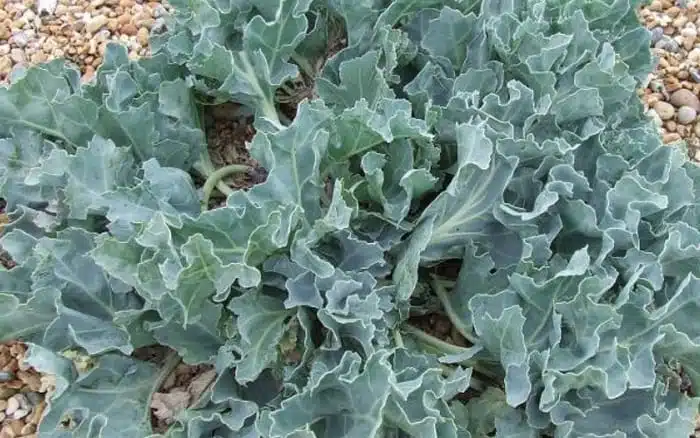
For classic seaside charm, this is a great foliage plant with wrinkled silvery-green leaves, parts of which are edible. It dies down over winter, but regrows fresh and green in spring. In early summer, small honey-scented white flowers bloom.
- Sun – Full sun or partial shade
- Position – South, East or West-facing
- Exposure – Sheltered
- Moisture – Well-drained
- Soil – Sand, clay, chalk, or loam
6. Erigeron glaucus ‘Sea Breeze’ (fleabane)
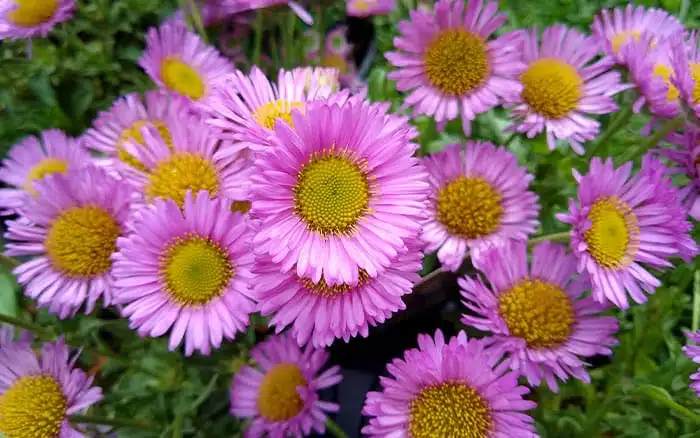
A long-flowering plant with sunny daisy-like blooms and rich blue-grey-green foliage. As a self-seeder, it fills cracks and crevices in free-draining soil. Butterflies love it too.
- Sun – Full sun
- Position – South or West facing
- Exposure – Exposed or sheltered
- Moisture – Moist but well-drained
- Soil – Loam, chalk, or sand
7. Limonium platyphyllum (broad-leaved statice)
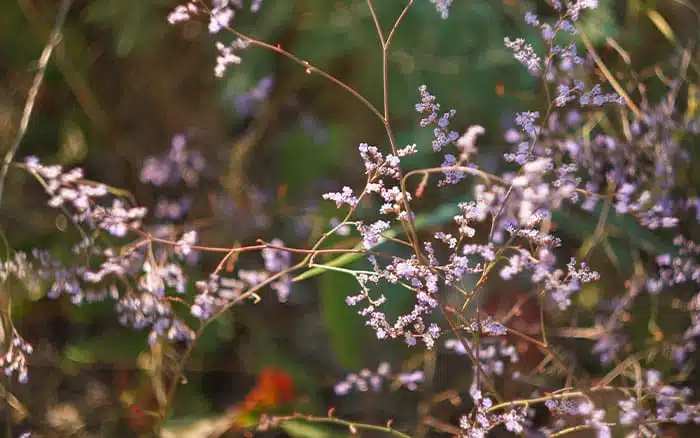
Limonium is very hardy. In summer, it blooms with sprays of tiny pink-purple, delicate-looking flowers. Useful in dry and stony spots, it fits well into a gravel garden. The flowers also dry well, giving year-round appeal.
- Sun – Full sun
- Position – South-facing
- Exposure – Exposed or sheltered
- Moisture – Well-drained
- Soil – Loam, chalk, or sand
8. Cordyline australis (cabbage palm)
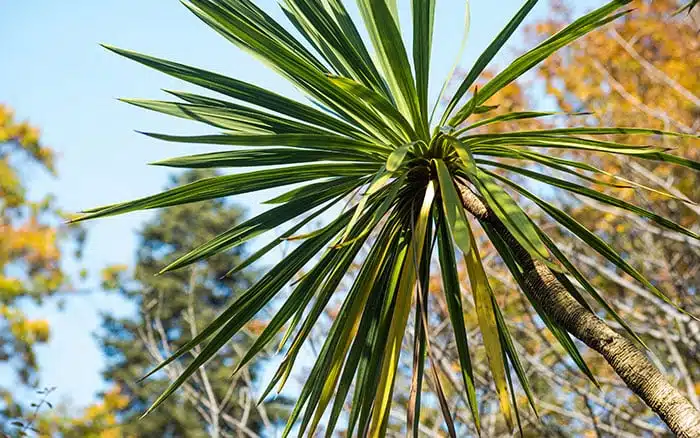
A striking evergreen architectural plant with the look of a small palm tree. It adds a vibrant touch to coastal gardens. In summer, large panicles of small cream flowers bloom, accompanied by a lovely scent.
- Sun – Full sun or partial shade
- Position – South or West-facing
- Exposure – Sheltered
- Moisture – Well-drained or moist but well-drained
- Soil – Chalk, clay, sand, or loam
9. Poa labillardierei (New Zealand blue grass)
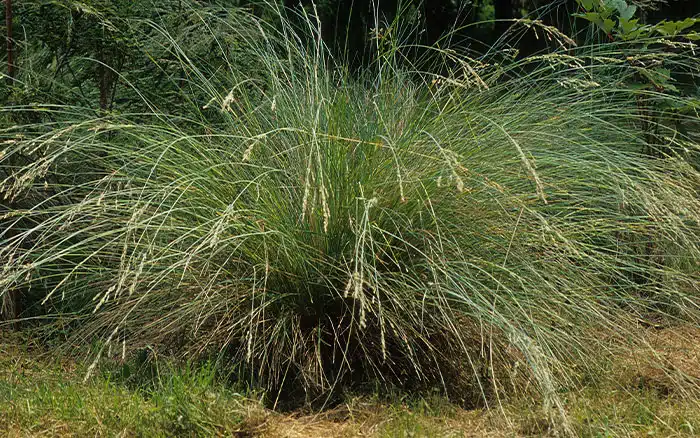
A coastal garden isn’t complete without soft grasses to move in the breeze. This beautiful grass forms mounds of steely blue leaves, topped with silvery-blue flowerheads in summer. When planted among gravel and pebbles, the clumps make a striking impact.
- Sun – Full sun
- Position – South, West or East-facing
- Exposure – Exposed or sheltered
- Moisture – Well-drained soil, not wet
- Soil – Loam, chalk, or sand
10. Verbascum ‘Gainsborough’ (mullein)
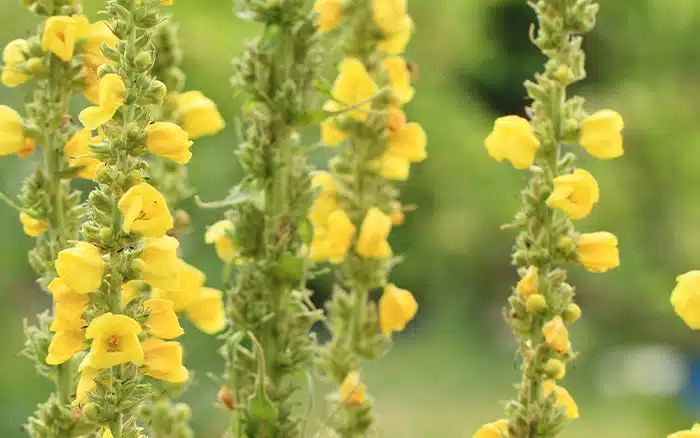
Mullein has fluffy silvery leaves and tall yellow flower spikes. It can grow to 1.5 metres in flowerbeds. To propagate, take root cuttings as these plants are not self-seeders.
- Sun – Full sun
- Position – South-facing
- Exposure – Exposed
- Moisture – Well-drained
- Soil – Loam or chalk
By mixing shapes, colours, and textures in your borders, you can enhance the coastal effect in your garden. Add to the look with gravel, shells, pebbles, and driftwood. You could even add big props like a boat. Create a fun play area with a sandpit for the kids to enjoy and complete your seaside-style garden.
For more great gardening advice, make sure you head to my YouTube Channel. Make sure you’re subscribed with notifications on so you don’t miss any of my new videos.
Frequently Asked Questions
1 – Can I create a coastal garden without living near the sea?
Yes. Most coastal plants grow well inland as long as they have sunny positions and well-drained soil.
2 – What makes a plant suitable for a coastal garden?
Plants with silvery, waxy, or narrow leaves help conserve water and resist strong wind, drought, and salty air.
3 – What is a good coastal plant for attracting pollinators?
Echium vulgare and Crambe maritima attract bees and butterflies. They also self-seed and need very little maintenance.
4 – Which coastal plants grow best in gravel or sandy soil?
Try Eryngium, Limonium, and Poa labillardierei. These plants love dry conditions and add brilliant texture to gravel gardens.
5 – Can I include edible plants in a coastal garden?
Yes. Crambe maritima (sea kale) has edible shoots, offering both ornamental and culinary value.




Thank you for those lovely tips on seaside plants. I live by the sea and needed to know, just what to plant on my garden. Thanks again.
Thanks for the comment, Wendy! Glad we could help!
We found the echium on the beach today. Fabulous plant , buy it, plant it. Thanks for the tip. Wonderful.
Great to know what plants are robust enough for a coastal garden. Looking forward to planting up our brand new coastal garden, in south-west Scotland , this summer. We’re just an uninterrupted mile from the sea!
Excellent. Recently moved to Wells-Next-The-Sea and downsizing from 1 acre garden in rural Norfolk to small garden on the coast was beginning to despair. These ideas have really inspired me and motivated me. Thank you for your help and ideas, I now have a new project.
I live in rural Wales and have created a seaside theme garden on one of my terrace levels. I’ve decided it needs more colour and was so happy to find this list on my first search! Just what I needed.
Thankyou- I have round smooth beach pebbles surrounding the base of a tree and wanted something equally natural but more fitting to replace the dandelions the grasses and flowers will look so pretty.
Thanks so much for this inspiring list of coastal plants. I’m going to include them in my garden club newsletter with acknowledgement, of course!
nice plants
Thank you for this info. I’m getting started on my coastal garden now.
Thank you. This was very helpful information. I have failed to grow so many plants successfully over the years due to strong winds coming straight off the sea. This year I will be more pragmatic by. Choosing these recommended plants.