
Discover slug resistant plants for every aspect to create a wildlife-friendly garden.
For the keen gardener, few things are more frustrating than walking into the garden and finding your pristine hostas destroyed. Tender young shoots can also be reduced to a shredded, slimy mess by the overnight antics of slugs.
However, slugs are actually a vital cog in the garden’s ecosystem. They are part of nature’s clean-up crew, breaking down decaying organic matter and recycling nutrients back into the soil.
Therefore, the aim should be to outsmart and coexist with them. This allows us to enjoy a beautiful, flower-filled garden without the need for pellets and traps.
Slugs prefer soft, succulent, thin-leaved plants. By choosing slug resistant plants with tough, leathery, hairy or strongly scented foliage, you can create a beautiful border. These are plants that slugs will generally leave alone.
Choosing Slug Resistant Plants for Different Aspects
Full Sun
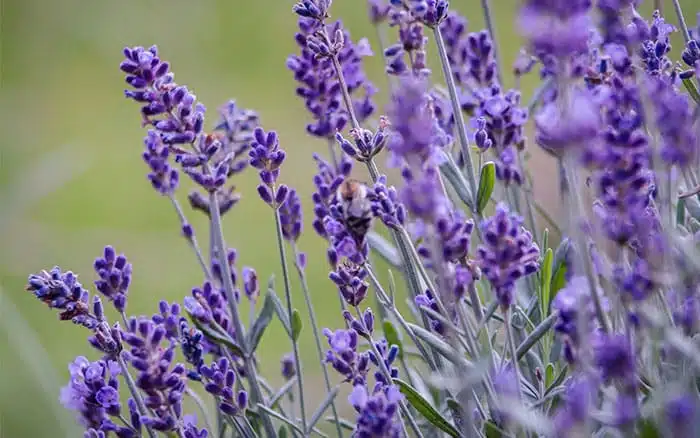
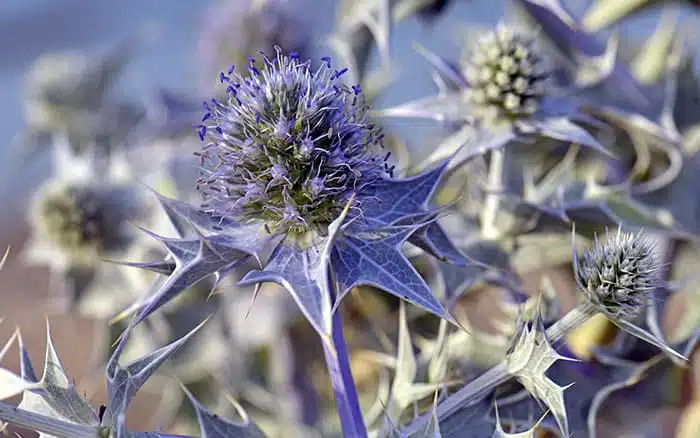
Plants like lavender (Lavandula) and sea holly (Eryngium) are ideal choices.
Both have tough stems and foliage, while lavender has the additional advantage of a high essential oil content. This makes its leaves and stems less appealing to slugs.
Shade
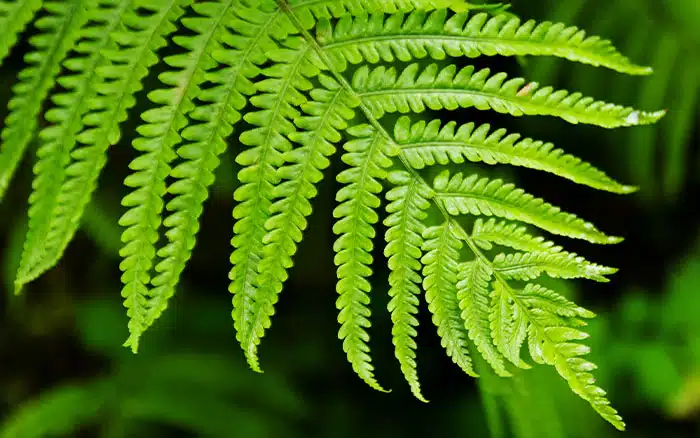

Ferns are a great choice, as their tough, fibrous fronds are often too leathery for slugs to chew easily.
Bleeding heart (Lamprocapnos spectabilis) is a floral favourite for shaded areas and is generally less attractive to slugs. Additionally, its foliage often disappears by midsummer, reducing the opportunity for damage later in the season.
Top Tips for a Slug Resistant Garden
- If slugs are a continuing issue, look for tough-stemmed and tough-leaved perennials and shrubs rather than soft-stemmed varieties.
- Select plants described as having hairy, waxy or leathery foliage.
- Include strongly scented herbs and shrubs, as their scent can make them less appealing to slugs.
By choosing tough, fragrant and textured slug resistant plants, you can create a beautiful garden without relying on chemical pellets.
Furthermore, avoiding chemical slug pellets helps support a thriving, balanced ecosystem. Here, hedgehogs, birds and frogs can help as natural pest controllers.
With the right slug resistant plants in the right places, you can watch your garden flourish. You’ll also create a space that works in harmony with the wildlife around it.
For more great gardening advice, make sure you head to my YouTube Channel. Make sure you’re subscribed with notifications on so you don’t miss any of my new videos.
Plus, for more seasonal gardening advice, plant inspiration and practical growing tips, sign up to my newsletter.
Frequently Asked Questions
1. What are the best slug resistant plants for full sun?
Lavender and sea holly are excellent choices for sunny gardens. Their tough stems and foliage make them less appealing to slugs.
2. Which slug resistant plants grow well in shade?
Ferns and bleeding hearts are good choices for shady areas. Ferns have tough, fibrous fronds, while bleeding hearts are generally less attractive to slugs.
3. Is lavender resistant to slugs?
Yes, lavender is generally resistant to slugs. Its tough foliage and high essential oil content make its leaves and stems less appealing.
4. Do slugs eat ferns?
Slugs generally avoid established ferns because their tough, fibrous fronds are difficult to chew. However, tender new growth can still be vulnerable.
5. Are bleeding hearts resistant to slugs?
Bleeding hearts (Lamprocapnos spectabilis) are generally less attractive to slugs. Their foliage often dies back by midsummer, reducing opportunities for damage later in the season.




Leave A Comment