
Discover how planting a bare root wildlife hedge in Autumn creates shelter, food and interest.
Whilst November might seem a quiet month in the garden, it can actually be one of the best times to get planting.
As deciduous trees and shrubs shed their leaves and enter dormancy, the bare root planting season begins. This offers gardeners a brilliant opportunity to create a beautiful, wildlife-friendly hedge that will burst into life next spring.
Whether you’re looking to create a natural boundary, add privacy or provide a valuable haven for garden wildlife, there’s plenty to gain. A mixed native hedge is a top job to tackle this month.
Why November is the perfect time to plant a bare root hedge
While the garden may be winding down for winter, the soil is often still warm enough for roots to settle in. Additionally, seasonal rainfall can help keep newly planted trees and shrubs hydrated.
Plant now, and your hedge has the winter months to begin establishing its roots before next year’s growing season arrives.
November is also the start of the bare root season, when many deciduous trees and hedging plants become available. These are sold without pots or compost around their roots.
These young plants are lifted from the ground while dormant and are usually sold as small, slender stems known as ‘whips’.
Don’t be put off by their modest appearance. Although they might look little more than a collection of twigs when they arrive, bare root plants often establish quickly. They’re also generally cheaper than container-grown ones.
There are environmental benefits, too. With no plastic pots and less compost to transport, bare root plants can be a more resource-efficient option.
For the best results, plant your bare root trees and shrubs as soon as possible after they arrive. However, avoid planting when the ground is frozen or waterlogged.
Choose a hedge that works hard for wildlife
A wildlife hedge is about much more than marking a boundary. A thoughtfully chosen mix of trees and shrubs can provide nesting sites and shelter for birds. They also offer nectar and pollen for insects, plus berries, hips and nuts to help wildlife through autumn and winter.
The secret is variety. By combining different native species, you can create a hedge that offers something for wildlife throughout the year. This includes spring blossom and summer foliage, followed by autumn fruit and winter shelter.
Here are some excellent choices to consider.
Hawthorn
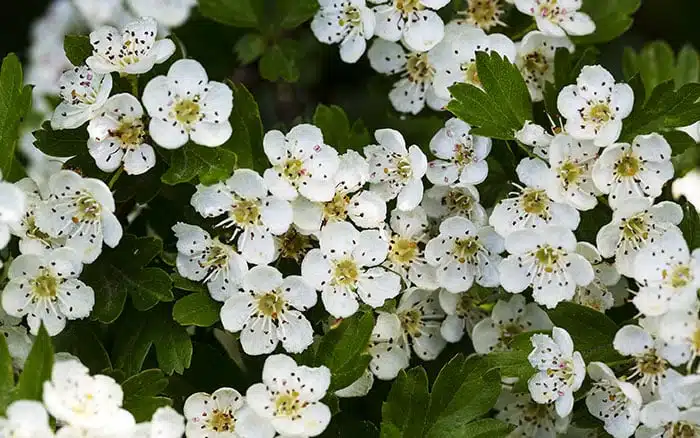
Hawthorn (Crataegus monogyna) is a classic hedging plant and one of the best choices for a wildlife-friendly garden.
Its clouds of white spring blossom attract pollinating insects, while its dense, thorny branches provide excellent nesting opportunities for birds.
In autumn, red berries known as haws provide an important food source.
Hardy, adaptable and happy in a range of conditions, hawthorn is an ideal foundation for a mixed native hedge.
Blackthorn
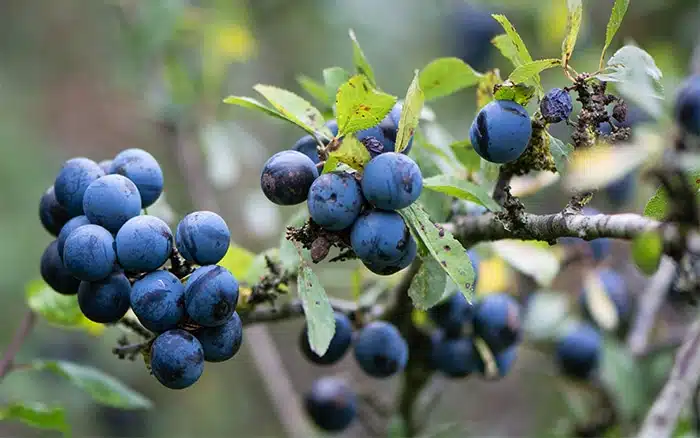
Blackthorn (Prunus spinosa) produces masses of delicate white blossom in early spring, often before its leaves appear.
The flowers provide an early source of nectar and pollen. Meanwhile, its dark fruits, known as sloes, are enjoyed by birds and other wildlife.
Its dense, thorny growth makes it particularly useful for creating a secure, protective hedge. However, blackthorn can spread by suckers, so give it enough room if you're planting in a smaller garden.
Hazel
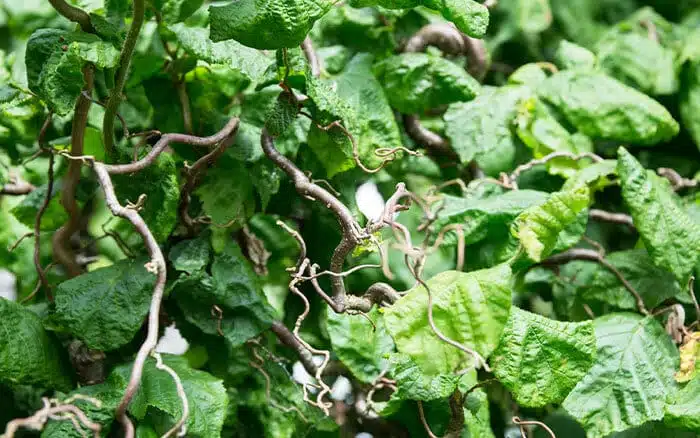
Hazel (Corylus avellana) is a fantastic addition to a mixed hedge, offering year-round habitat and seasonal food.
Its distinctive yellow catkins appear in late winter, providing pollen early in the year. Additionally, its nuts are a valuable food source for small mammals and birds.
Hazel responds well to pruning and can be coppiced to encourage fresh growth. This makes it a versatile choice for a natural-looking boundary.
Field maple
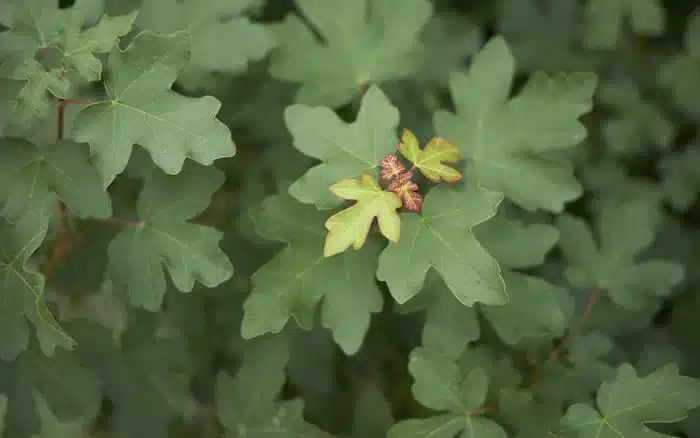
For a hedge with added seasonal interest, consider field maple (Acer campestre). This attractive native tree has small, lobed leaves that turn lovely shades of yellow and gold in autumn.
Its foliage supports a range of insects, while its branching structure adds height and shelter to a mixed hedge.
Field maple is also well suited to clipping, so it can be kept neat where space is limited.
Dog rose
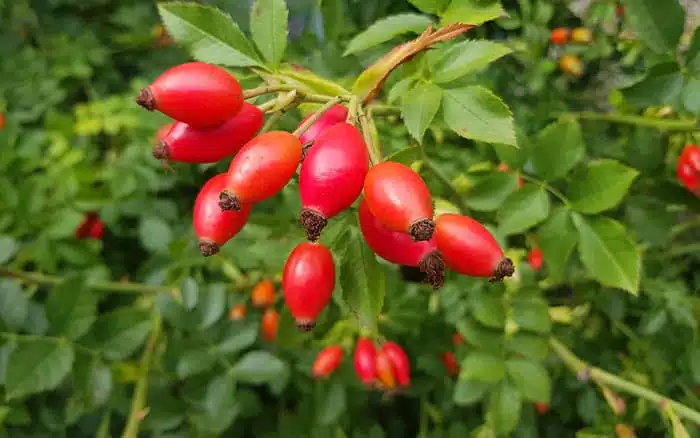
Dog rose (Rosa canina) brings a softer, more informal feel to a wildlife hedge.
Its simple pink or white flowers attract pollinators in summer, followed by bright red rose hips in autumn. These provide food for birds and small mammals.
Allow it to grow naturally through the hedge for a more relaxed, countryside look. Its thorny stems also provide plenty of cover and nesting opportunities.
Guelder rose
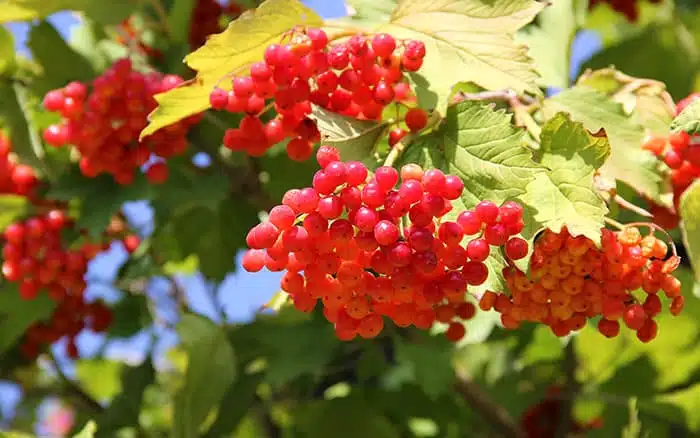
Guelder rose (Viburnum opulus) is another worthwhile addition.
Its clusters of white flowers attract insects in late spring and early summer. Meanwhile, its glossy red berries bring colour to the autumn and winter garden.
It prefers reasonably moist soil and can work particularly well in a mixed hedge with enough room for a spreading shrub.
How to plant your bare root wildlife hedge
Once you've chosen your plants, getting them into the ground is straightforward. A little preparation now will help your new hedge get off to a strong start.
Prepare the ground
Clear grass and perennial weeds along the planting strip, and loosen the soil. If the ground is poor, incorporate some well-rotted garden compost.
Keep roots moist
Bare root plants can dry out quickly, so keep their roots covered until you're ready to plant. If you can't plant immediately, temporarily heel them into a sheltered patch of soil or cover the roots with moist compost.
Space your plants carefully
As a general guide, plant smaller hedging whips around 30–60cm apart, depending on the species and desired hedge size. For a thicker, more substantial boundary, consider planting two staggered rows. Make sure you leave enough space between them for the plants to develop.
Plant at the right depth
Dig a hole or trench wide enough for the roots without bending them upwards. Then, spread the roots out, backfill with soil and gently firm around the base. The plant should sit at the same depth it was previously growing.
Water and mulch
Water thoroughly after planting to settle the soil around the roots. Then, add a generous layer of organic mulch, such as garden compost or wood chips. This helps retain moisture and suppress weeds, but remember to keep the mulch clear of the stems.
Give the hedge time to establish
Keep the planting strip free of competing weeds and water during dry spells, particularly through the first spring and summer. Young plants may look slow to get going at first, but with a little patience they'll soon begin to grow.
Let your hedge grow a little wild
Once your hedge is established, resist the temptation to trim it too frequently.
Allowing hawthorn, blackthorn, dog rose and other berry-producing shrubs to flower and fruit gives wildlife more opportunities to feed. It also provides valuable shelter.
Where possible, trim in late winter or early spring only when necessary. However, always check for nesting birds before undertaking any work. Avoid routine hedge cutting during the main bird-nesting season, generally March to August, unless there is a genuine safety concern.
You can also encourage greater biodiversity by allowing suitable native climbers, such as honeysuckle, to weave through the hedge. Ivy can be particularly valuable on a mature hedge, providing evergreen cover and late-season flowers for insects.
Top tip
Aim for at least five different species in your mixed hedge, choosing plants suited to your soil, available space and local conditions. The more variety you can accommodate, the more opportunities you'll create for wildlife throughout the year.
Make November count
A mixed wildlife hedge is one of the most rewarding additions you can make to your garden.
It creates structure, adds seasonal interest and gives birds, pollinators and other garden visitors somewhere to feed, nest and shelter.
By choosing bare root plants in November, you can create a substantial hedge without stretching your budget.
So, grab your spade, choose a mix of wildlife-friendly favourites and make this month the start of something special. Your new hedge will benefit your garden and its wildlife for years to come.

For more great gardening advice, make sure you head to my YouTube Channel. Make sure you’re subscribed with notifications on so you don’t miss any of my new videos.
Plus, for more seasonal gardening advice, plant inspiration and practical growing tips, sign up to my newsletter.
Frequently asked questions
1. When is the best time to plant a bare root wildlife hedge?
November is an excellent time, as deciduous trees and shrubs enter dormancy and the bare root planting season begins. However, avoid planting when the ground is frozen or waterlogged.
2. What are the best plants for a wildlife hedge?
Hawthorn, blackthorn, hazel, field maple, dog rose and guelder rose are excellent choices. Together, they provide flowers, fruits, shelter and nesting opportunities for wildlife throughout the year.
3. How far apart should I plant hedging whips?
As a general guide, space smaller hedging whips around 30–60cm apart, depending on the species and desired hedge size. For a thicker hedge, consider planting two staggered rows.
4. How do I care for a newly planted wildlife hedge?
Keep the planting strip free of competing weeds and water during dry spells, particularly in the first spring and summer. Adding organic mulch also helps retain moisture and suppress weeds.
5. When should I trim a wildlife hedge?
Where possible, trim only when necessary in late winter or early spring. Always check for nesting birds and avoid routine cutting during the main nesting season, generally March to August.




Leave A Comment