
Create a thriving new build garden with resilient plants, budget-friendly ideas and practical soil advice.
Starting a garden in a new build property can feel daunting, especially when the soil has been disturbed during construction. The soil is often compacted, low in nutrients, and sometimes full of rubble left behind by builders. However, creating a thriving, attractive garden is absolutely achievable in these circumstances, even on a tight budget.
Understanding the soil in a new build garden
Before choosing plants, it helps to understand what type of soil you’ll be planting into. The soil under a newly laid lawn is often compacted, low fertility subsoil with little organic matter. It may also contain very little topsoil, if any.
If the soil or subsoil is clay based, poor drainage is often an issue too. This is due to builders’ machinery compacting the soil during the house build process.
It can feel disheartening, but don’t worry. You can improve these soil conditions over time by removing builders’ rubble. You can also add good quality topsoil and soil improver. In the short term, you can still create a beautiful, flower-filled new build garden on a budget. Simply choose and plant resilient, adaptable plants that will happily grow in poor soil conditions.
Low-budget garden ideas
Creating a beautiful garden doesn’t have to cost a fortune. Here are some budget-busting ideas.
Start small and grow gradually
Focus on a few key areas and expand each season. This spreads out costs and gives you time to learn what works.
Buy young or bare root plants
Smaller and bare root plants are much cheaper than fully grown or containerised plants. Both types often establish better and quicker than larger, containerised ones.
Divide and share
Many perennials can be divided after a year or two. Swap plants with neighbours or friends to diversify your new build garden for free.
Use seeds where possible
Perennials like rudbeckia, echinacea and foxgloves grow well from seed and are very budget-friendly.
Mulch smartly
Use compost, bark, or even grass clippings to improve soil structure over time while suppressing weeds.


Small trees for new build gardens
Small trees add structure and height without overwhelming the space. These varieties are tough enough for poor soils.
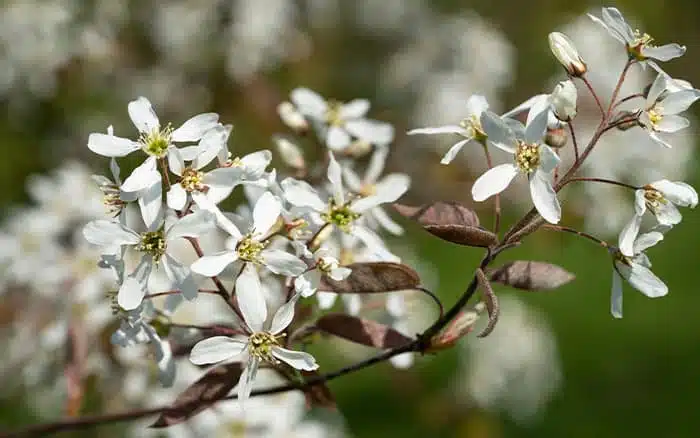
Amelanchier (June berry)
This delightful, small tree is smothered in pretty, blush white flowers during spring. It produces edible berries in June and pretty coloured leaves in autumn.
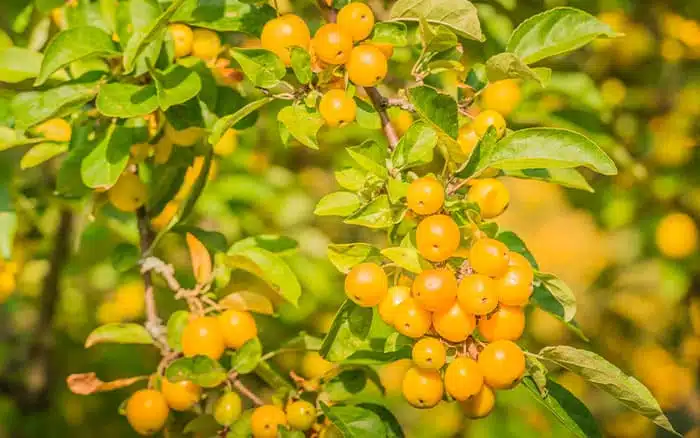
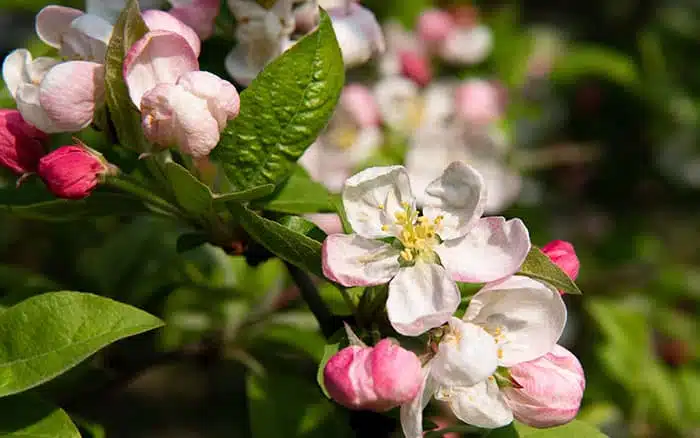
Malus (Crab apple)
Crab apples are another group of pretty, small trees, covered in generally white blossom at this time of year. This is followed in late summer and early autumn by attractive, small, edible fruit.
These can be shades of red, orange or yellow, depending upon the chosen cultivar. They are also great for attracting pollinating insects.
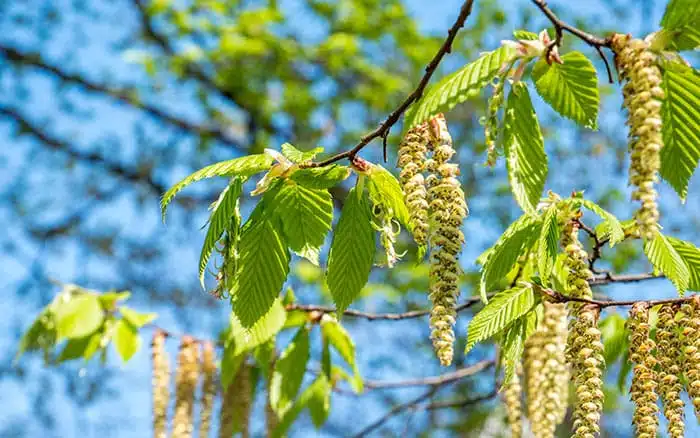
Betula pendula (Silver birch)
These dainty-looking small trees have small leaves hanging delicately from gently arching branches. They are super tough, hardy and easy to establish in poor soils.
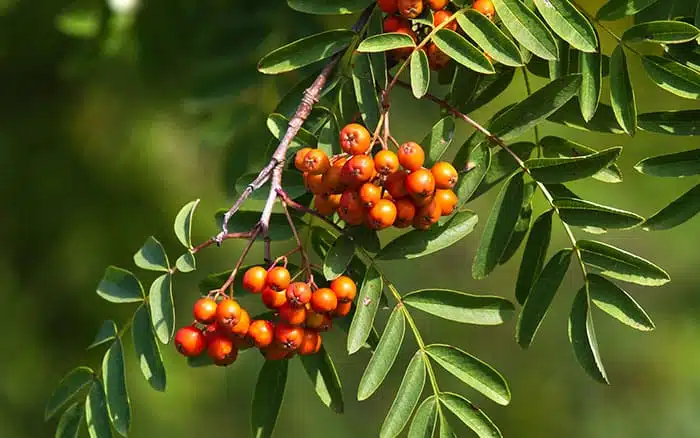
Sorbus aucuparia (Rowan)
This is another small tree that grows well in poor, stony soil. It is one of the first trees to produce orange coloured berries, usually by mid-August. They are also excellent trees for wildlife and very adaptable.
Top tip – Planting trees in a generous, wide hole with added compost helps them establish more quickly.
Shrubs that thrive in tough conditions
A mixture of evergreen and deciduous shrubs will form the backbone structure of the garden. Many are surprisingly resilient in a new build garden.
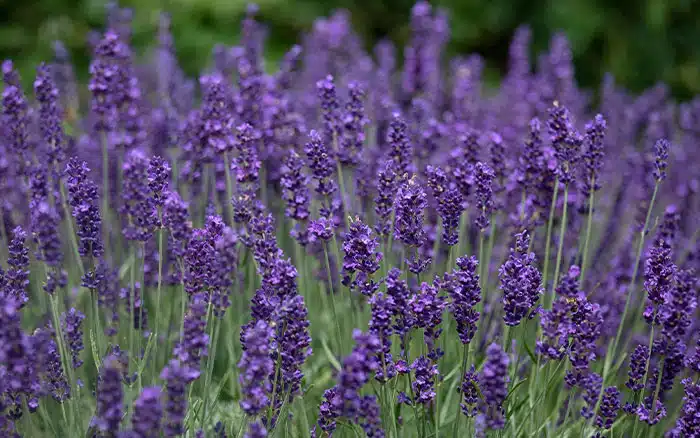

Lavandula (Lavender)
Lavender is in its element when planted in nutrient poor, stony soil in full sun. However, it will not grow well, or at all, in heavy clay or poorly drained soil. ‘Hidcote’ is the best choice for compact, low-growing, neat-shaped plants with deep purple flowers. It is often planted in neat lines either side of a path.
Choose ‘Grosso’ if you want a larger, rounded-shaped plant with long, loose, arching flower stems. Both types are hardy. Avoid the French L. stoechas cultivars if your garden is in an exposed, cold area. They originate from the Mediterranean and are tender.
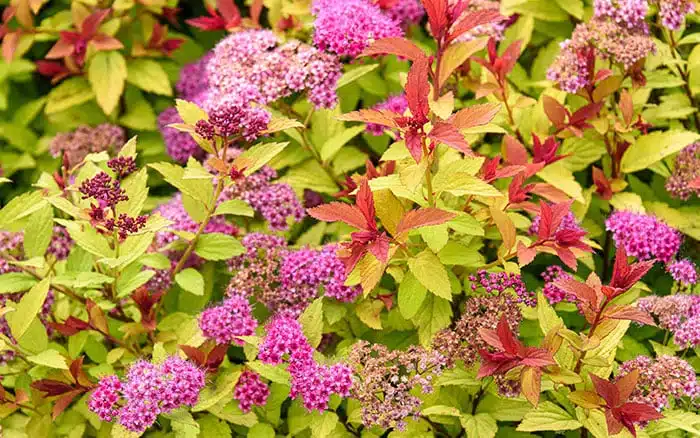
Spiraea (Bridewort)
This easy-going, tough shrub erupts into a mass of frothy white flowers at this time of year. It is the ideal choice to get your garden planning started.
Escallonia
These are evergreen shrubs with small, shiny leaves and pretty flowers throughout the summer months. Compact, pale pink flowered ‘Apple Blossom’ is a great choice for smaller gardens. ‘Iveyi’ has dark green glossy leaves and scented, white flowers. ‘Golden Carpet’ is a low-growing cultivar, ideal for ground cover. They are slightly tender, so they are best planted in a sheltered spot.


Cornus (Dogwood)
Dogwoods are the perfect choice for autumn and winter interest. They shed their leaves in autumn, revealing coloured stems that brighten the garden through winter and early spring. Choose C. alba ‘Sibirica’ or ‘Baton Rouge’ for red stems. Choose ‘Anny’s Winter Orange’ for bright orange stems. Choose ‘Midwinter Fire’ for a mix of orange and red stems. Choose C. sericea ‘Flaviramea’ for lime green ones.
They also produce small, pretty clusters of creamy-white flowers during the early summer months. They are tolerant of a wide range of soil types and are super tough. Just remember to cut the stems down to just above ground level in late February. This will quickly produce new, vibrant coloured stems. You can leave them unpruned, but the colour will gradually fade from the older stems. It will remain present at the top of the new growth on the old stems.
Berberis (Common barberry)
Berberis are a group of super tough, low maintenance shrubs with colourful flowers. B. darwinii delights with super bright, small orange flowers in early spring. Several, such as jamesiana, are covered in dangling strings of pinkish red berries from autumn to early winter. Some, such as B. purpurea, have deep purple leaves. These turn delightful shades of orangey-yellow during the autumn months.


Perennials for all heights
Layering plants by height creates depth and visual interest. Here are reliable choices for poor soil.
Tall perennials for back of border
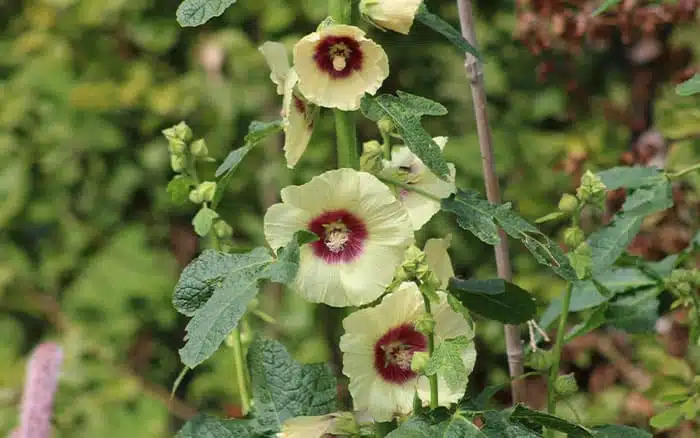
Hollyhocks
These classic, cottage garden favourite perennials will reappear year after year once established. They are quite happy in poor soil, as long as it’s free-draining. Try not to crowd them out with other plants. That’s when they tend to develop hollyhock rust on the leaves. Poor air circulation around the plant often causes this problem.
Foxgloves
Foxgloves are biennials, meaning they grow leaves in the first year and flower in year two. They will reappear year after year by self-seeding. They will also grow well in shade, as well as in poor soils.

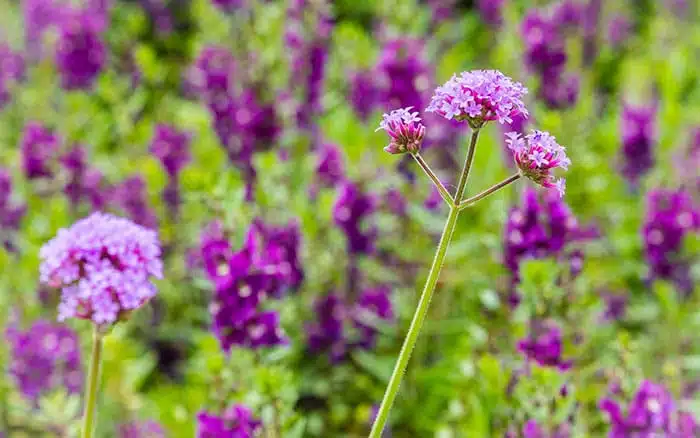
Verbena bonariensis
These plants are extremely versatile and grow well in most soil types. Give them a sunny, open aspect and free-draining soil. They have the additional advantage of being thin as well as tall. Therefore, they can be planted at the front, middle or back of a border. Their airy, narrow habit will not crowd out lower-growing plants, either light or space wise. They also self-seed.
Medium height perennials
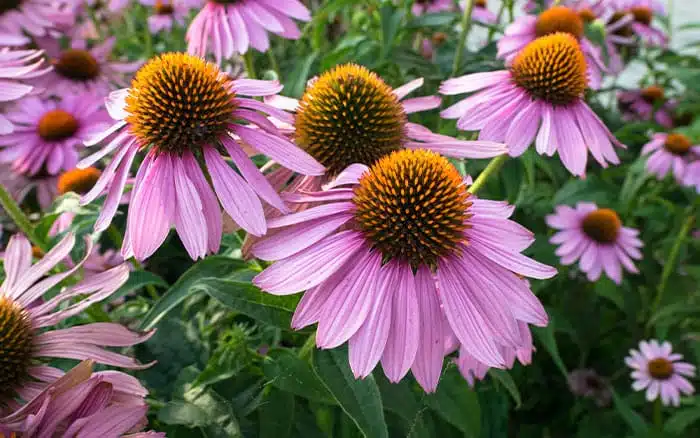
Echinacea is drought-tolerant and long-flowering.
Rudbeckia has bright, cheerful blooms.
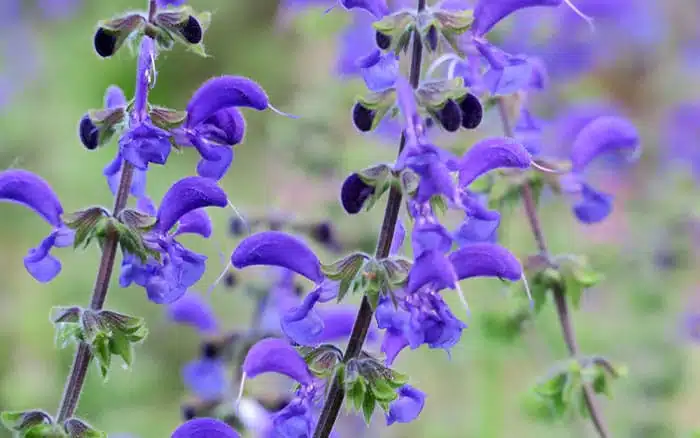
Salvia is great for pollinators and dry soil.
Japanese anemone is another useful medium height perennial.


Low-growing / ground cover
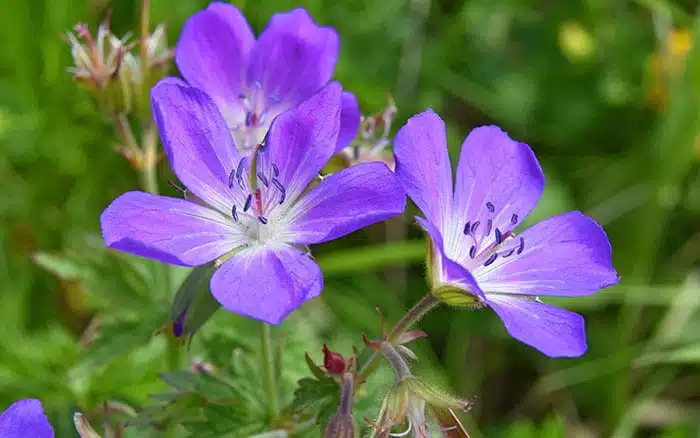
Geranium, or cranesbill, spreads well and suppresses weeds.
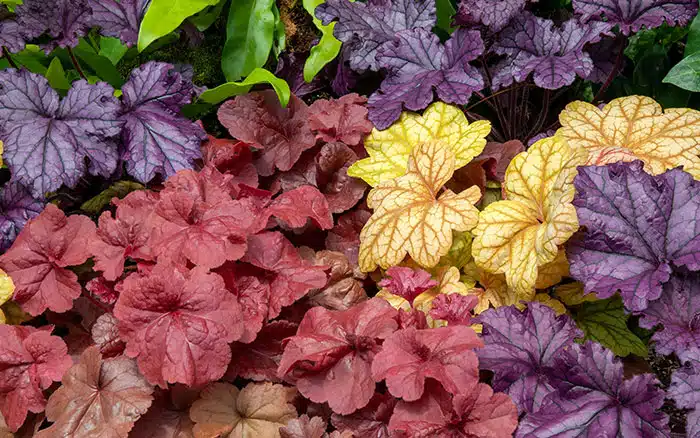
Heuchera offers colourful foliage for year-round interest.
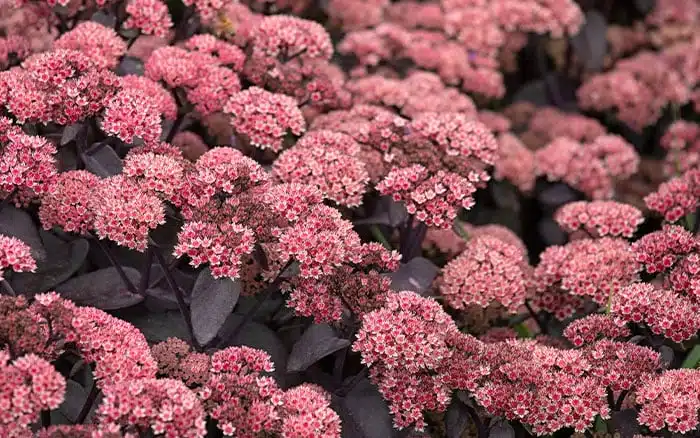
Sedum, or stonecrop, is perfect for dry, nutrient-poor soils.
Final tips for success
- Improve soil gradually. Add compost each year, rather than trying to fix everything at once.
- Water wisely. New plants need consistent watering until established.
- Choose the right plant for the right place. Sun, shade and drainage matter more than perfect soil.
A new build garden may start as a blank slate. However, with the right plant choices and patience, it can soon become a thriving, beautiful space. Focus on hardy plants, build your garden gradually, and embrace budget-friendly techniques. Your garden will reward you for years to come.
For more great gardening advice, make sure you head to my YouTube Channel. Make sure you’re subscribed with notifications on so you don’t miss any of my new videos.
Frequently Asked Questions
1 – What problems are common after construction?
Soil is often compacted, low in nutrients and sometimes contains rubble left behind after construction.
2 – Can I improve poor soil quality?
Yes, remove builders’ rubble where possible, then add good quality topsoil, compost and soil improver over time.
3 – Which small trees suit poor soil?
Amelanchier, crab apple, silver birch and rowan are all suitable choices for poor soil conditions.
4 – Which shrubs work well in tough conditions?
Lavender, spiraea, dogwood, escallonia and berberis are all resilient options for challenging garden conditions.
5 – How can I keep costs down?
Start small, buy young or bare root plants, grow from seed, divide perennials and mulch smartly.



Leave A Comment