
Discover plants that garnish summer drinks with fresh herbs, edible flowers, fruit and fragrant foliage.
Late summer is one of the most rewarding times to spend in the garden. Flower borders are brimming with colour, herbs are at their most fragrant, and the days often remain warm.
As the evenings stretch lazily into dusk, there’s something wonderfully restorative about taking a refreshing drink outside. It’s a lovely way to enjoy the sights, scents and sounds of the garden.
Whether it’s chilled sparkling water, homemade lemonade, iced tea or a summer cocktail, a freshly picked garnish makes it special. A garnish from your own garden can elevate even the simplest summer drinks.
A handful of aromatic herbs, a colourful edible flower or a slice of homegrown fruit can transform a drink. They add both flavour and visual appeal.
Many garnish plants are easy to grow in containers, raised beds or borders. This means they can always be within easy reach. They are ideal when entertaining guests or simply taking a well-earned break in the garden.
Herbs
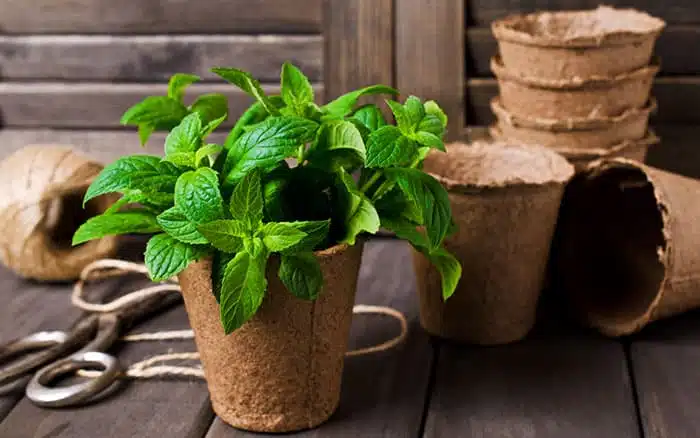
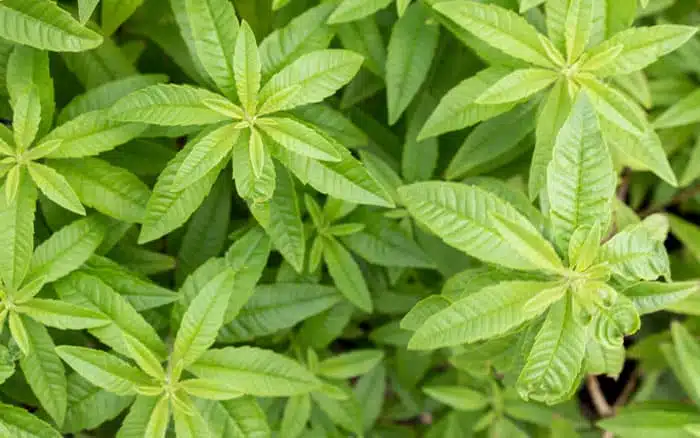
Easy-to-grow herbs offer perhaps the most versatile drink garnishes, with a variety of distinctly different scented leaves.
Mint is an obvious favourite. There are hundreds of different cultivars to choose from. These include a whole range of fruit-flavoured names, such as apple, pineapple, pear, banana and orange.
Spearmint is the often-used mint of choice to bring freshness to mojitos, iced tea and lemonade.
Mint is best grown in separate containers rather than in the flower border. This is because it is very good at spreading rapidly.
Lemon verbena produces intensely sweet, lemon-scented leaves that pair beautifully with gin, tonic or iced herbal teas. Unlike mint, it is a woody shrub and doesn’t cope well with cold weather. Therefore, it is best grown in a container and given winter protection.
A hardy, herbaceous alternative is lemon balm. This will add a gentle citrus scent to fruit punches and sparkling water.
Basil, particularly sweet basil or purple basil, works surprisingly well with strawberry drinks, tomato-based cocktails and sparkling water infused with citrus. Cut some stems from supermarket packets, remove lower leaves and place them in water.
You’ll be amazed to see those stems develop white roots within a matter of days. You can then plant them into a pot using a light compost mix. Place the pot on your kitchen windowsill for an endless supply of fresh basil.
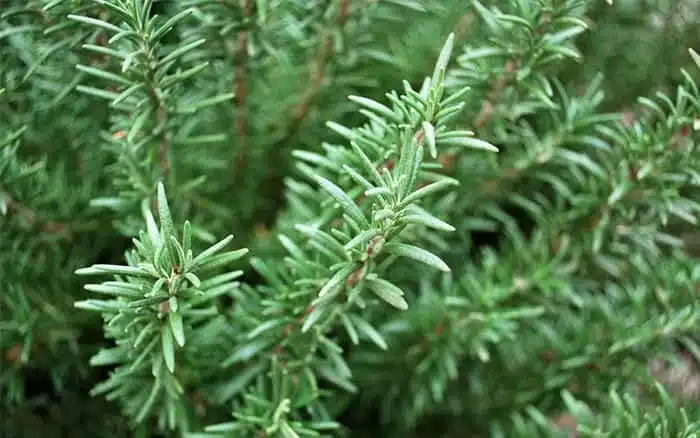
Rosemary provides a woody, aromatic garnish that is excellent with gin, grapefruit and elderflower drinks. Thin, woody stems can be used as cocktail stirrers. This too is a woody shrub but, unlike lemon verbena, it’s much more hardy. It can be planted out in the garden.


Edible flowers

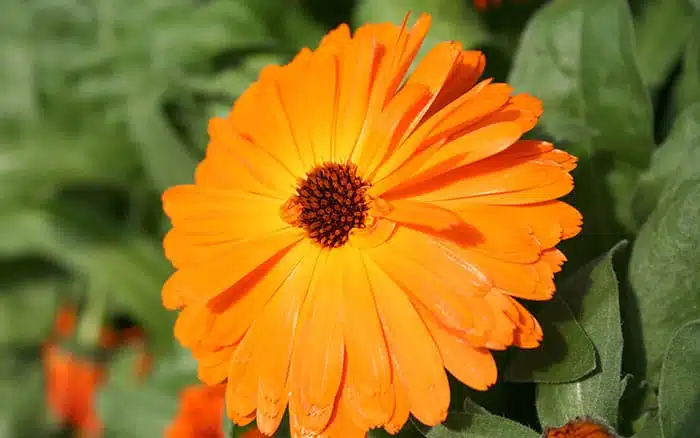
Many edible flowers continue to flower all the way through late summer and into early autumn. They add colourful visual appeal to most drinks.
Borage not only has pretty, star-shaped, bright blue flowers, but the leaves give off a subtle cucumber flavour. This makes them ideal for Pimms, gin and tonic or cucumber-infused water.
The bright orange flowers of Calendula, or pot marigold, will also brighten the look of iced drinks. They do this without overpowering flavour.
Although classed as an annual, it will happily self-seed around the flower border. It can also flower well into autumn and beyond in a sheltered location.
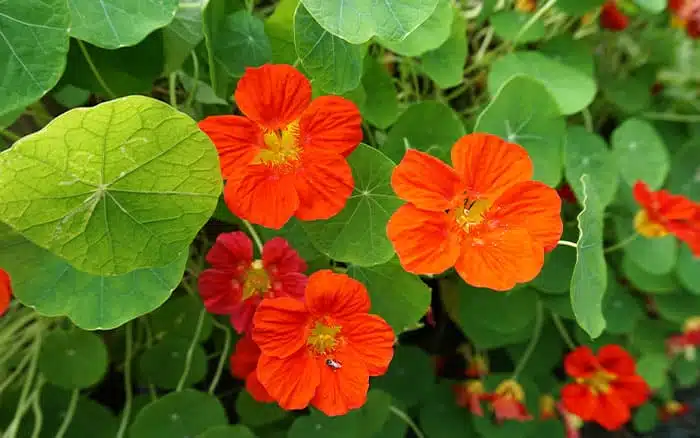
Nasturtiums are another colourful annual that will happily self-seed. Recent hybridisation has resulted in different shades of pink flowers. These join the traditional bright red and yellow cultivars. The flavour has a peppery undertone that pairs well with savoury cocktails.
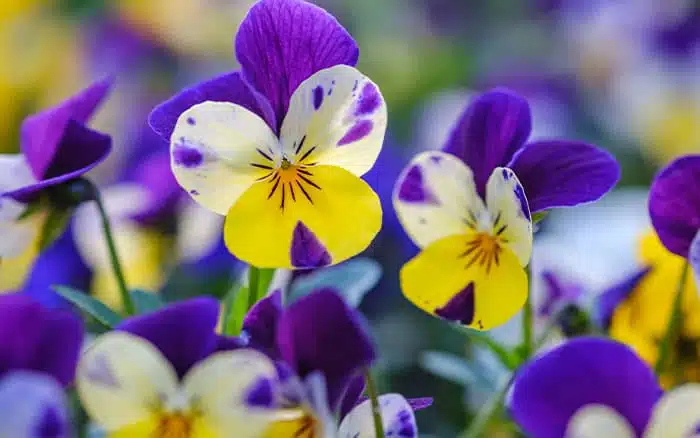
Violas are wonderfully decorative, floating elegantly in glasses. They can also be frozen into ice cubes for a sophisticated finishing touch.
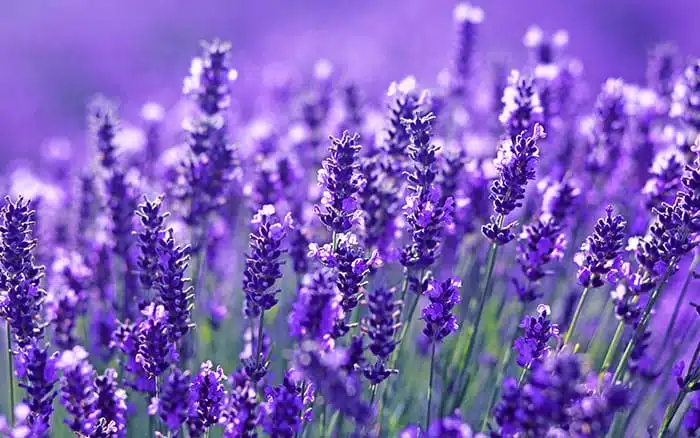
Lavender flowers, infused sparingly into lemonade and homemade syrups, add an exciting element to drinks and syrups. There are many different cultivars available to choose from. These include traditional lavender-coloured flowers, as well as pink and white ones. Classed as woody shrubs, they need to be grown in very free-draining soil. Once established, they are very drought tolerant.
Citrus-Scented Plants


Plants with naturally citrusy scented foliage are excellent for adding refreshing aromas without relying on fruit.
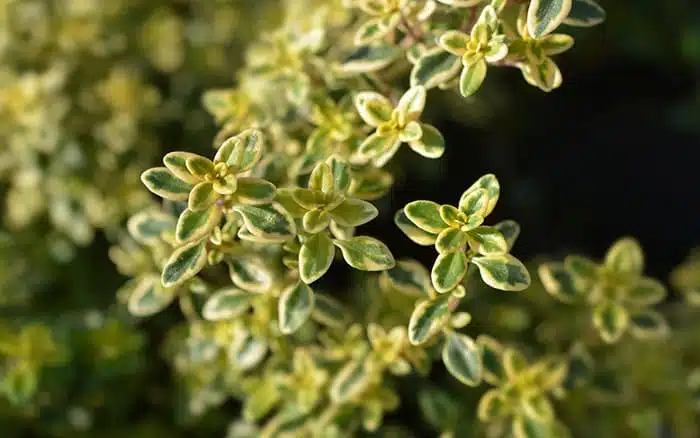
The evergreen herb lemon thyme combines herbal and citrus notes that suit gin-based drinks and sparkling water.
Lemon grass can be bruised and used as an aromatic stirrer, releasing its scent as you sip.
Scented leaf pelargoniums, particularly lemon or orange-scented varieties, have beautifully fragrant leaves. These can be used as decorative garnishes, provided they’ve been grown without chemical sprays.
Fruiting Plants
If you grow soft fruit, late summer offers a wonderful selection of edible garnishes for summer drinks.
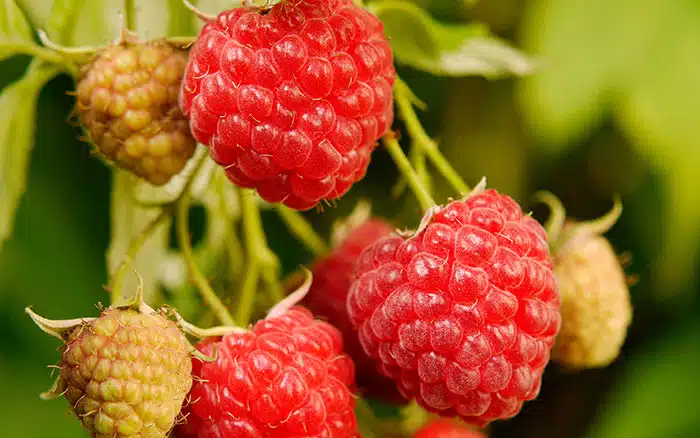
Blackberries can be threaded onto cocktail sticks. So can bright red late-season raspberries, such as ‘Octavia’, and autumn-fruiting varieties. These include ‘Autumn Bliss’ and ‘Joan J’.
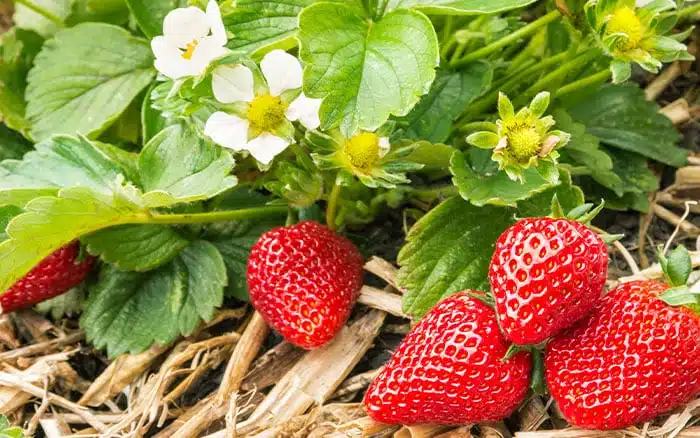
Slices of strawberries remain a timeless addition to sparkling wine, prosecco and fruity punches.
If you’re lucky enough to have a productive fig tree, thin wedges of ripe figs create an elegant garnish. They work beautifully for sophisticated cocktails or alcohol-free spritzes.


Aromatic shrubs and unusual choices
Some ornamental plants also provide excellent garnish opportunities.
Anise hyssop contributes hints of liquorice and mint. This makes it a fascinating addition to herbal teas and cocktails.
Even the fresh seed heads of fennel can provide a subtle aniseed fragrance when paired with citrus drinks.


Growing a dedicated drinks garden
Why not set aside a corner of your garden or a collection of patio containers specifically for drink garnishes?
Combining herbs with edible flowers in a container creates an attractive display that’s as practical as it is beautiful.
Positioned close to your seating area, these plants can be picked moments before serving for the freshest flavour possible.
As summer gradually gives way to autumn, making the most of these homegrown garnishes is a delicious way to savour every sunny moment. They can help you enjoy late-season summer drinks with colour, fragrance and fresh flavour from the garden.
For more great gardening advice, make sure you head to my YouTube Channel. Make sure you’re subscribed with notifications on so you don’t miss any of my new videos.
Plus, for more seasonal gardening advice, plant inspiration and practical growing tips, sign up to my newsletter.
Frequently Asked Questions
1 – What plants can I use to garnish summer drinks?
You can use herbs, edible flowers, citrus-scented plants, soft fruit, and some aromatic shrubs. Mint, lemon verbena, borage, violas, lavender, blackberries, and rosemary all add a lovely summer touch to drinks.
2 – Which herbs are best for drink garnishes?
Mint, lemon verbena, lemon balm, basil, and rosemary are all useful drink garnishes. They bring freshness, citrus notes, or aromatic flavour to different drinks.
3 – Can edible drinks be used in drinks?
Yes, many garnish plants grow well in containers. Herbs, edible flowers, and some citrus-scented plants can be kept close to seating areas.
4 – What fruit can I use to garnish drinks in late summer?
Use large, heavy, frost-proof pots with good drainage. A loam-based compost can also add stability. Position containers in a sheltered spot if your garden is exposed.
5 – How often should I water screening plants in containers?
Blackberries, late-season raspberries, strawberries and ripe figs can all be used as garnishes. They add colour, flavour and a seasonal finish.




Leave A Comment