
Learn how the Chelsea chop keeps herbaceous perennials bushier, neater, upright, and flowering for longer.
The phrase ‘the Chelsea chop’ is an odd-sounding one. The uninitiated gardener would be forgiven for thinking it refers to a type of lamb chop!
In fact, it’s a term describing an easy pruning technique. Gardeners use it to improve the look and extend flowering times of various herbaceous perennials.
Why is it called the Chelsea Chop?
The term originated because the pruning is usually carried out in late May. This is around the time of the Chelsea Flower Show. Naming it after the flower show makes it easier to remember when to do it.

How to do the Chelsea Chop
There are three different types of pruning for the Chelsea Chop.
1 – The Full Chop
Simply cut back all stems on the plant evenly at the same level. This creates a shorter, bushier plant. It will flower a bit later in the year than it would have done if it hadn’t been chopped back.
It also creates slightly shorter, bushier, more upright plants than if the plant hadn’t been pruned.
2 – The Part Chop
This is where only some of the stems of the plant are cut back. The reason for doing this would be to stagger flowering on the plant.
This gives extended flowering, as the cut stems will flower later than the uncut ones.
3 – The Gradient Chop
Here, you can adopt an artistic approach to pruning by trimming all stems on the plants. Trim them at various heights to create a more natural look.
This can extend the overall flowering time of the plant even further.

What does the Chelsea Chop do?
By cutting back all or some of a plant’s stems by about one-third to one-half, it encourages compact growth. The Chelsea Chop helps create bushier plants and helps prevent the plant flopping. It also extends the plant’s overall flowering time.
When is the best time to do it?
Traditionally, it’s done in late May or early June. However, with climate change seeming to accelerate growth, it could be earlier. This depends on the weather conditions in your area.
The key thing to do is to keep an eye on the plants’ growth. You’re looking for plants that have reached a height of between 20cm and 30cm.
Within a few weeks, you should notice fresh, new shoots forming.
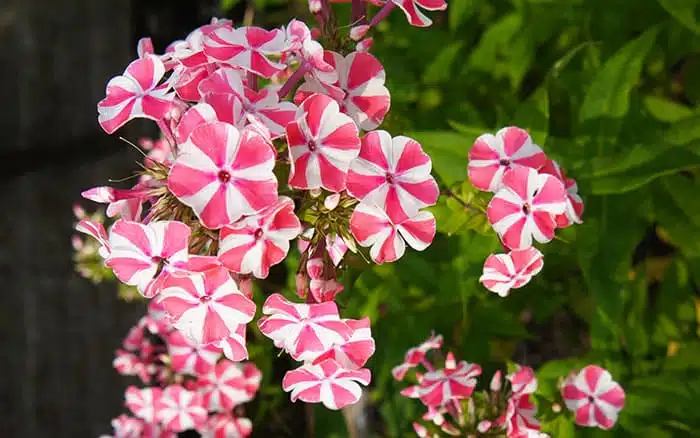
Examples of plants that benefit from the Chelsea Chop




Top Tip
Some of the stems of non-woody herbaceous perennials will root if you remove the lower leaves. Then place stems in water. Sedum spectabile is an ideal candidate for this. With a bit of luck, it will even produce flowers later in the season!
It’s an easy way of making more plants for free without disturbing the mother plant.
So, if you’re looking to extend the flowering time of your borders, grab your secateurs. At the appropriate time, give the Chelsea Chop a try!
For more great gardening advice, make sure you head to my YouTube Channel. Make sure you’re subscribed with notifications on so you don’t miss any of my new videos.
Frequently Asked Questions



Leave A Comment