
Planting crocus in early autumn is a simple way to guarantee colour after winter. In September and October, the soil is cool, moist, and easy to work with. This timing allows roots to establish before hard frosts, setting up stronger flowering in spring. You can still plant into November if the soil is workable. Early autumn planting also fits neatly with other border renovations. You can weed, mulch, and refresh edging while the ground remains workable. Crocus is a bulbous flowering plant valued for its early colour.
Why autumn timing works
Crocus grow from corms, which are food stores at the stem base. As soil temperatures fall towards 15°C, root initiation begins. Earlier autumn planting gives a longer rooting window. Roots anchor corms, absorb water, and fuel larger flowers. Warm soil and cooler air reduce stress, keeping moisture where roots need it. That balance promotes faster establishment before winter dormancy arrives.
If you miss September, you can still plant through October, provided the soil is workable and not waterlogged. Avoid disturbing the area once shoots appear in late winter. Young tips damage easily when trampled or over-hoed


Site, Soil, and Drainage
Choose sun or light shade. Crocus dislikes standing water. On clay, blend horticultural grit and compost to create pore spaces and improve drainage. Neutral to slightly alkaline soil suits most garden crocuses. On raised sites, wind exposure can dry soil faster after rain. A modest bark mulch helps retain moisture while still draining freely.
In very wet plots, use raised borders or containers. Healthy corms feel firm and dry. Discard any soft, mouldy, or shrivelled corms to reduce disease risk. Check stored corms weekly and remove any that show deterioration. Airflow around stored bags prevents condensation and related moulds.

Depth, Spacing, and Simple Planting
Follow the three-times rule for depth. Most crocuses sit 7–10 cm below the surface; larger Dutch hybrids (C. vernus) can go a little deeper, to about 12 cm (and roughly 9 cm apart in lawns). For borders and pots, space corms 5–8 cm apart. Adequate depth buffers temperature swings and helps prevent frost lift. Mark planting zones to avoid double-digging when adding companions later.


In borders, loosen the top layer, improve drainage with a little grit if needed, then set each corm point-up on a firm base. Backfill, gently firm to remove air pockets, and water once to settle. Label the area so you don’t disturb newly forming roots during autumn tidy-ups.
Pots and Small Spaces
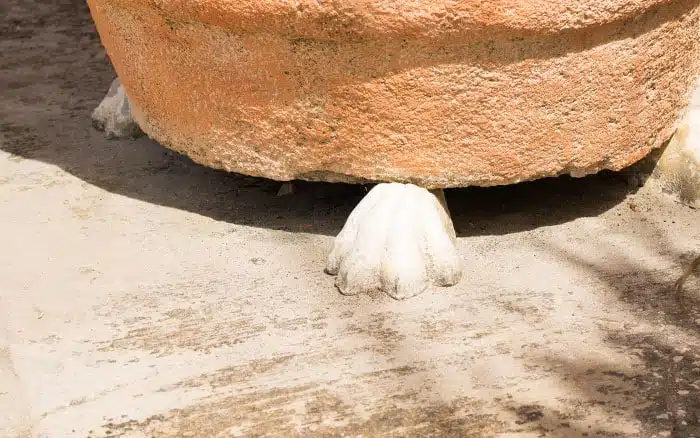
Containers are brilliant for doorways and balconies. Use a peat-free mix with added grit. Plant in a tight grid for a pull display. Stand pots on feet to prevent waterlogging.
In a hard frost, slide pots against a house wall for shelter. After flowering, feed lightly once, then allow foliage to fade naturally. This recharges the corm for next year.
What to expect and how to care
Spring crocus usually flowers from February into March, weather dependent. Let leaves photosynthesise until they yellow. Cutting foliage early reduces flowering next season.
In late winter, top-dress borders with a light, balanced fertiliser. In heavy soils, the most important job is drainage. Good structure beats heavy feeding for long-term success.
Reliable varieties to plant now
Different crocus species suit borders, lawns, and pots.
- For naturalising, Crocus tommasinianus is early, tough, and multiplies well.
- In pots, Crocus chrysanthus cultivars bring bright bicolours in compact clumps.
- To guarantee bigger blooms in borders, choose Crocus vernus
- If you want autumn flowers, Crocus sativus needs planting in August to early September, then blooms in September to October.


Common mistakes to avoid
Shallow planting increases frost lift. Waterlogged ground invites corm rot. Dense evergreen shade reduces bud formation.
Standing pots in saucers keep roots wet. Handle corms gently. Bruising damages the storage tissue, which powers growth. Do not confuse crocus with meadow saffron, often called autumn crocus, which is poisonous.
Sustainable autumn steps
Choose peat-free composts and reuse cleaned pots. Plant generous drifts for pollinators. Crocus offers early pollen and nectar when little else is in bloom. Crocus flowers are attractive to wildlife, especially early bees. Healthy soils and correct depth deliver consistent results with fewer inputs.

For more great gardening advice, make sure you head to my YouTube Channel. Make sure you’re subscribed with notifications on so you don’t miss any of my new videos.
Frequently Asked Questions
1 – When should I plant crocus in the UK?
Plant from September through November. But September to October is ideal. Cool soils help roots form before winter.
2 – How deep do I plant crocus?
Use 7–10 centimetres, roughly three times the corm’s height. Dutch hybrids in lawns can be a little deeper, up to 12cm.
3 – Can I still plant in November?
Yes, if the soil is workable and free-draining, though earlier planting often flowers better.
4 – Do crocuses prefer sun or shade?
Full sun to light shade is ideal. Avoid persistent wet shade.
5 – Why did my crocus fail to flower?
Common causes are waterlogging, shallow planting, deep shade, or foliage cut too early.




Leave A Comment