
Plant early spring butterfly and bee plants to provide nectar when pollinators need it most.
As the garden starts to wake from its winter slumber, one group of visitors is already on the move. Early spring is a critical time for bees and butterflies, as natural nectar sources are scarce, and the insects’ energy reserves are low.
By choosing early-spring-flowering plants, gardeners can provide a vital lifeline at a time when it’s most needed. In the process, you get huge enjoyment from a garden alive with movement weeks before summer arrives.
Why early spring matters
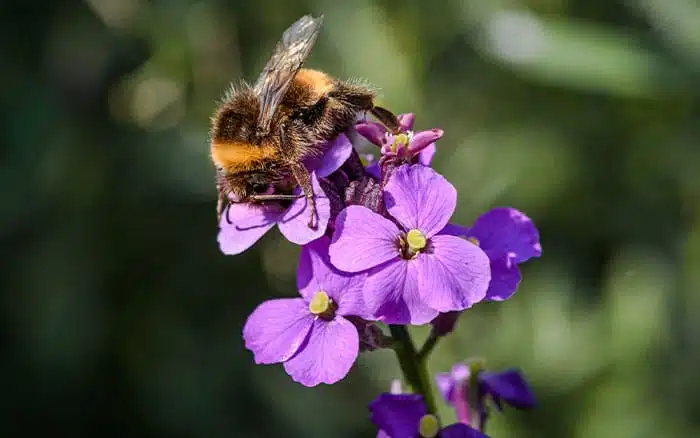
Queen bumblebees emerge from hibernation as early as February. Honeybees venture out on mild days. Overwintering butterflies such as peacocks and small tortoiseshells are quick to seek nectar. Without early flowers, these pollinators struggle to refuel. Planting for early spring is one of the most effective ways a garden can support wildlife.


Top early spring plants for pollinators
Crocus
Few plants do more with less. Crocus flowers open wide on sunny days, offering easily accessible pollen and nectar. Planted in lawns, borders or beneath deciduous trees, they are among the very first stops for emerging bees.
Snowdrops (Galanthus)
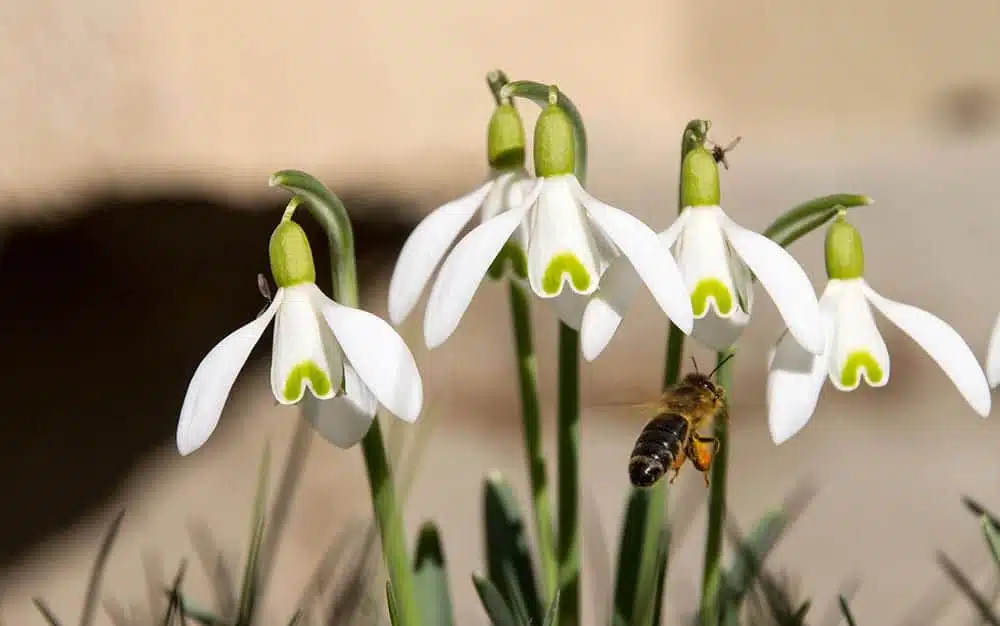
They may look delicate, but the reality is that these are extremely tough plants. They can withstand adverse weather and push their flower stems through frozen soil. Their nodding flowers are perfectly shaped for early bumblebees. Large drifts can provide a surprisingly generous nectar source.



Pulmonaria (Lungwort)
Low-growing pulmonarias are true pollinator powerhouses. Their flowers change colour as they mature, signalling nectar availability to bees. Flowering from late winter into spring, they are especially popular with long-tongued bumblebees.
Hellebores
Modern hellebores are not just winter showstoppers. They are also rich in pollen. Their long flowering season bridges the gap between winter and spring. This makes them invaluable for hungry insects. They are also delightful additions to the spring garden.
Primrose & Polyanthus
Native primroses are perfectly adapted to early pollinators. Garden polyanthus extends the colour range without losing wildlife value. Plant them generously and allow them to naturalise for maximum impact.
Heather (Erica carnea & Erica x darleyensis)
Winter and early spring-flowering heathers are buzzing with life on mild days. They provide reliable nectar over many weeks and are ideal for sunny, free-draining sites. Erica × darleyensis has the added advantage of growing happily in neutral to alkaline soil, and both types are extremely low-maintenance as well as flowering for several months. As butterfly and bee plants, they offer steady support when butterflies and bees need it most.


Early flowering shrubs
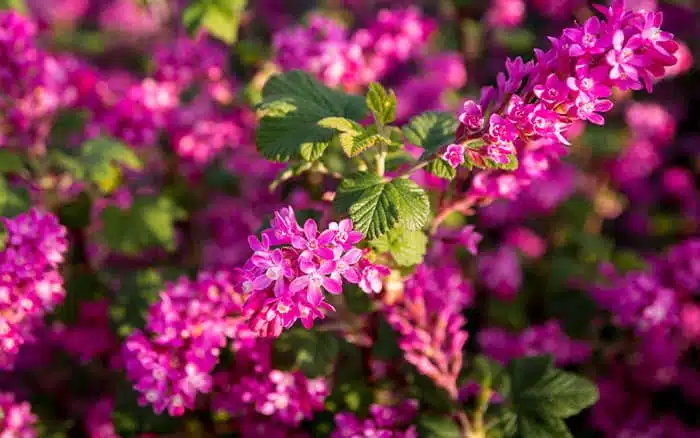
Shrubs play a surprisingly important role in helping pollinating insects at this time of year. Plants such as mahonia, winter-flowering honeysuckle, and flowering currant produce masses of small flowers that serve as refuelling stations for bees and early butterflies alike. They are also excellent butterfly and bee plants for adding early-season structure.


Designing a pollinator-friendly spring garden
Here are a few tips on how to design your perfect pollinator-friendly early spring garden:
- Plant in groups rather than single specimens. It’s easier for insects to forage efficiently. It also creates more floral impact for the onlooker.
- Choose open, single flowers where pollen and nectar are easy to reach.
- Avoid pesticides, especially in early spring when pollinators are most vulnerable.
- Think layers: combine bulbs, perennials and shrubs to create a succession of flowers from late winter onwards, using butterfly and bee plants that support both.
Designing a pollinator-friendly spring garden
Early spring planting is one of the simplest, most important ways gardeners can help wildlife. Even a handful of well-chosen butterfly and bee plants can sustain dozens of bees and butterflies at a crucial time of year.
For more great gardening advice, make sure you head to my YouTube Channel. Make sure you’re subscribed with notifications on so you don’t miss any of my new videos.
Frequently Asked Questions
1 – Why is early spring such an important time for pollinators?
Early spring is critical because natural nectar sources are scarce. Pollinators are already active and their energy reserves are low. Without early flowers, bees and butterflies struggle to refuel.
2 – Which insects are looking for nectar in early spring?
Queen bumblebees can emerge from hibernation as early as February. Honeybees venture out on mild days. Overwintering butterflies, including peacocks and small tortoiseshells, are also quick to seek nectar.
3 – Which early spring plants help bees and butterflies most?
Crocus, snowdrops, pulmonaria, hellebores, primroses, polyanthus, and winter to early spring-flowering heathers all provide valuable pollen or nectar. Early flowering shrubs also help, including mahonia, winter-flowering honeysuckle, and flowering currant.
4 – Where should I plant crocus for maximum pollinator benefit?
Plant crocus in lawns, borders, or beneath deciduous trees. Their flowers open wide on sunny days, making pollen and nectar easy to access. They are among the first stops for emerging bees.
5 – How can I design a pollinator-friendly garden?
Plant in groups rather than single specimens so insects can forage efficiently. Choose open, single flowers where pollen and nectar are easy to reach. Avoid pesticides in early spring. Combine bulbs, perennials and shrubs to create a succession of flowers from late winter onwards.



Leave A Comment