
Rain gardens reduce flooding, manage runoff beautifully, and support resilient, wildlife-friendly planting in changing weather.
As weather patterns become increasingly unpredictable, gardeners need to think about plant resilience as well as beauty. Extremes of rain and drought are becoming more common. A rain garden offers a stylish, wildlife-friendly way to manage excess water. It also creates a pretty, dynamic space that develops with the plants in it.
What is a rain garden?
Put simply, a rain garden is a planted, shallow depression designed to capture excess rainwater runoff. It can collect water from roofs, patios, and driveways, and is useful during periods of persistent, heavy rain. Instead of overwhelming drains, it slows the flow of water. With help from plants, the water then percolates naturally into the soil. The result is less flooding and a garden area that thrives in a difficult spot.

Where did the idea of rain gardens come from?
Rain gardens originated in North America in the late twentieth century. They were especially useful in urban areas where stormwater systems were under pressure. Landscape designers and environmental planners used planted basins to absorb and filter runoff naturally. Since then, the rain garden concept has spread across other parts of the world. It is now becoming increasingly relevant here in the UK.
Why create a rain garden?
With heavier downpours, more paved surfaces, and ageing drainage systems, flash flooding is a real concern across the UK. A rain garden offers a simple, cost-effective way for gardeners to help alleviate the problem. It can also be beautiful as well as practical.

How is a rain garden created?
A small rain garden border is created by digging a shallow basin about 20cm deep. It can be made larger if more garden space is available. Whatever size you choose, make sure the sides slope gently. A free-draining soil is ideal; if you have heavy clay, add plenty of organic matter and grit. Use a pipe or gravel run to guide surplus water into the rain garden.
Planting up your rain garden border
These gardens works best when planted in zones. Start with the wettest middle section and move out to the drier edges. Choose plants carefully to suit the different moisture levels across the area.

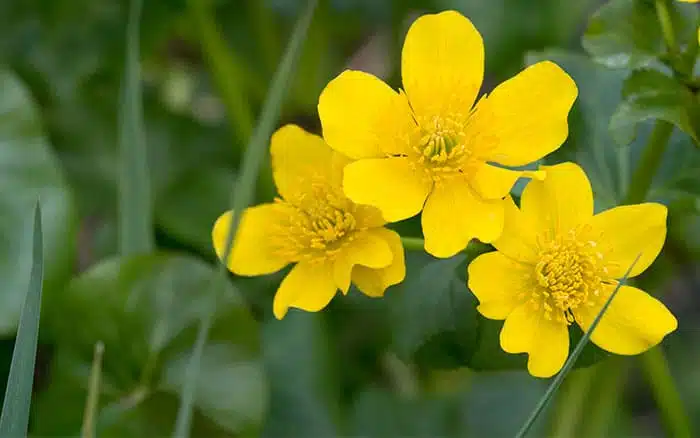
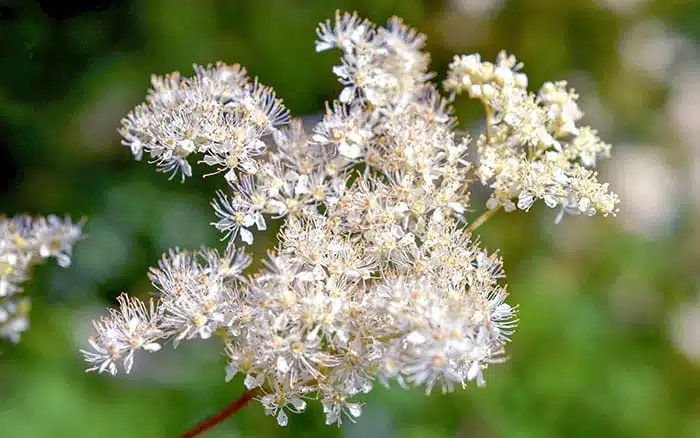
The wet centre
This is the lowest part of the soil depression. Here, water sits after rain until it percolates back into the soil. In this part of the rain garden, plant moisture-loving species. Good choices include yellow flag iris, Iris pseudacorus, and marsh marigold, Caltha palustris.
You can also grow sedges and meadowsweet, Filipendula ulmaria.

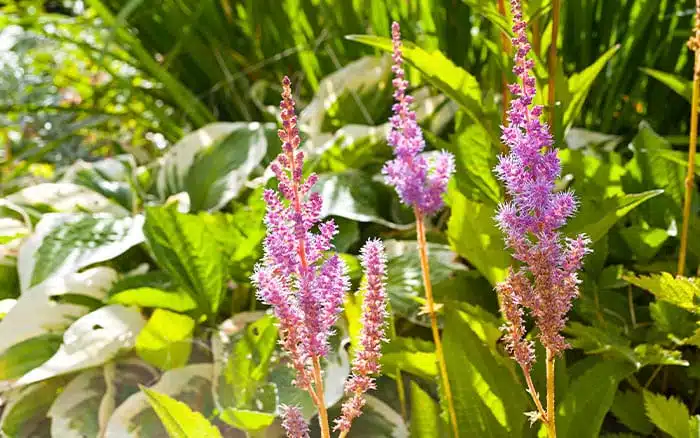
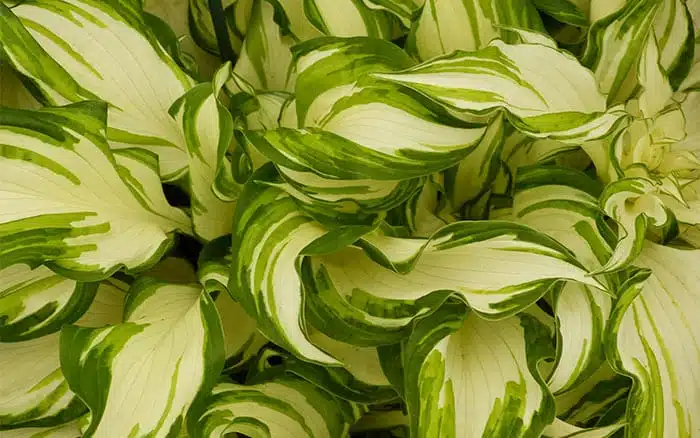
The middle zone
This part of the rain garden dries between bursts of rain; however, it still retains a good amount of moisture. This makes it suitable for more floriferous plants. Try Persicaria amplexicaulis, astilbe, Ligularia dentata, and different cultivars of hosta.


The outer edge
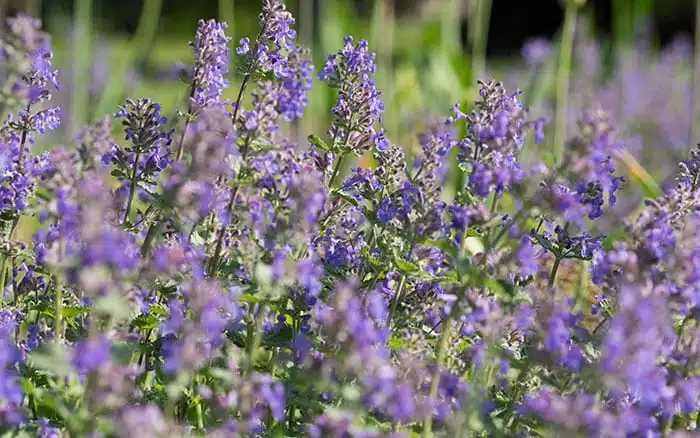
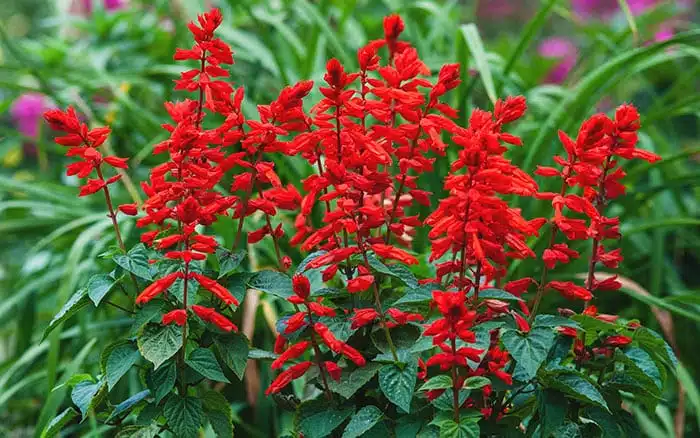
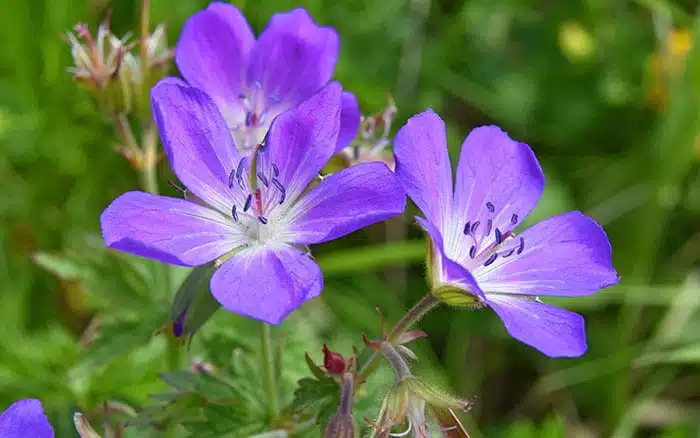
This area is better suited to drought-tolerant plants, because it sits highest, it usually receives the least moisture. Choose the right plants, and it should still look good during drier spells. Good options include long-flowering achillea in many colours and the soft lavender flowers of catmint, Nepeta. You can also use Stipa tenuissima ‘Pony Tails’, salvias, and hardy geranium cranesbills.
So, whether you are dealing with a soggy patch or future-proofing your garden, a rain garden is rewarding. It brings environmental benefits as well as potential year-round plant interest.
For more great gardening advice, make sure you head to my YouTube Channel. Make sure you’re subscribed with notifications on so you don’t miss any of my new videos.
Frequently Asked Questions
1 – What is a rain garden?
It is a shallowly planted depression that captures runoff from roofs, patios, and driveways. It holds water temporarily and lets it soak naturally into the soil.
2 – Why should I create a rain garden?
They help reduce pressure on drains and can lower the risk of local flooding. It also creates an attractive, wildlife-friendly planting area.
3 – Where did they come from?
They first became popular in North America during the late twentieth century. They were developed to absorb and filter stormwater runoff naturally.
4 – How do you make a rain garden?
Dig a shallow basin about 20cm deep, with gently sloping sides. Use free-draining soil and guide surplus water into it with a pipe or gravel run.
5 – What plants grow well in a rain garden?
Plant moisture-loving species in the wet centre, floriferous plants in the middle, and drought-tolerant plants on the edge. Suitable choices include iris, astilbe, hostas, achillea, nepeta, salvias, and grasses.




Leave A Comment