
The mince pies are out, fairy lights are twinkling, and it is more than a bit chilly outside. December is perfect for garden planning. It is the ideal time to sit with a cuppa and start shaping your outdoor space for next spring.
Whether you have a large plot, a small patio, a balcony, or just a window box, December garden planning sets you up for success next year. Armchair gardening at its finest. So, grab that cuppa, a pen, and some paper, and let us get planning.
Why December is ideal for garden planning
Beat the rush
Come January and February, seed companies get inundated with orders. By doing your garden planning now, you get first choice of exciting new varieties. Your seeds and bare root plants should arrive before the spring rush begins.
You can also compare a few suppliers, checking delivery dates and packet quantities, so your spring sowing feels relaxed and organised.
Dream big
With the garden looking a bit sparse, garden planning becomes easier. You can see the gaps and imagine what you want to change.
Do you yearn for a mass of colourful cosmos? A bumper crop of homegrown tomatoes? Or maybe a tranquil corner filled with scented sweet peas? Maybe you would love pots of tulips by the front door or cheerful salad leaves on the kitchen windowsill. Whatever it is you dream of having in the garden, now’s the time to let your imagination run wild.


Use garden planning to learn from last year
First, jot down what worked well, what didn’t go to plan, and what you wish you’d grown more of.
It’s a great way of concentrating the mind on what you’d really like to see in your garden next year. It also keeps you from being sidetracked by every tempting plant in seed catalogues and gardening magazines.
When making your list, add a column for the plants you haven’t grown before but would like to try. Next is the fun part. Get inspired by gardening books, magazines, and social media.
You might spot ideas like dwarf beans for containers, compact dahlias, or trailing strawberries for hanging baskets and railings.


Space, sun, and aspect
Always remember to think carefully about what space you have available. If you’re tempted to remove some lawn to create larger flower beds, measure the extra area before finalising your plans.
Check the aspect so you choose plants suited to the location. Note where it’s sunny, shady, or somewhere in between.
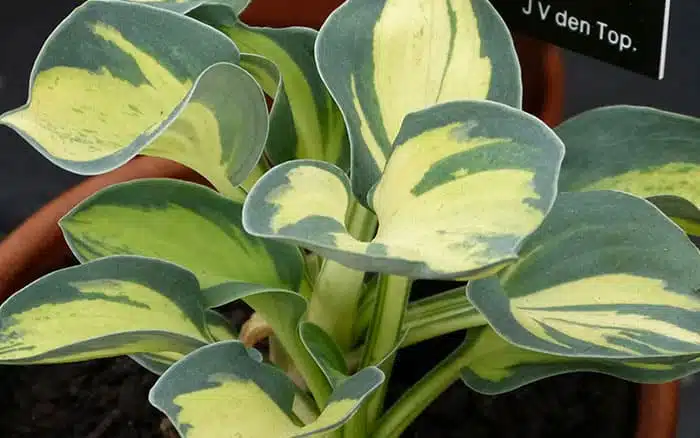
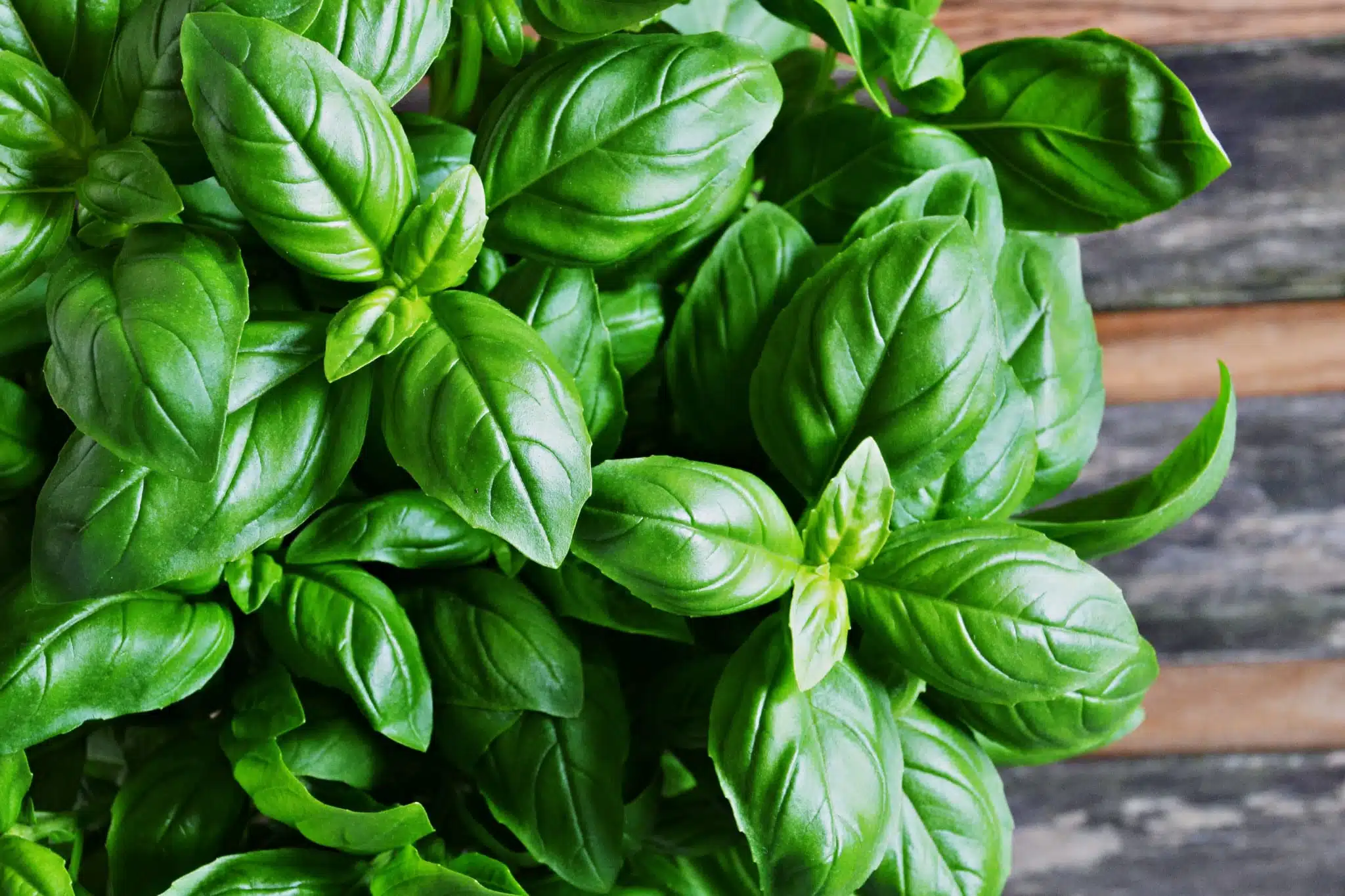
Sunny spots might suit lavender, rudbeckia, or sunflowers, whilst shadier corners could be perfect for ferns, hostas, and foxgloves. Even a bright windowsill can become a valuable growing space for basil, chives, or small pots of chillies.




Make your garden planning list
Flowers
Think about colour schemes, plant heights, and flowering times for continuous interest. Include plants for wildlife, and don’t forget cut flowers, so you can enjoy homegrown blooms indoors too.
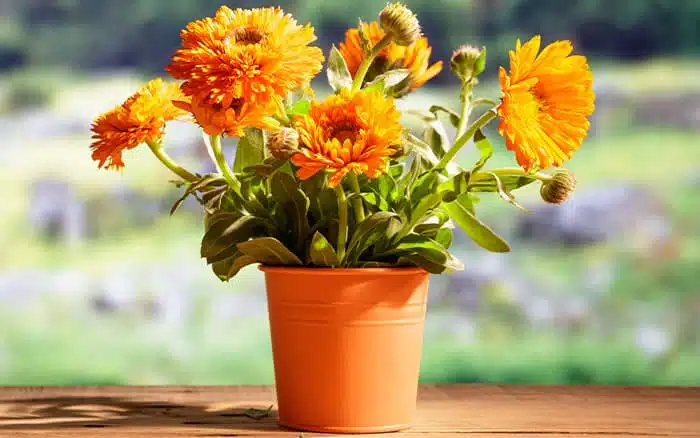
Hardy annuals like cornflowers, calendula, and nigella are great value. Taller plants like cosmos and sunflowers can sit at the back of borders or in deep containers. If space is limited, consider climbers like sweet peas to grow up fences, obelisks, or balcony railings.


Vegetables
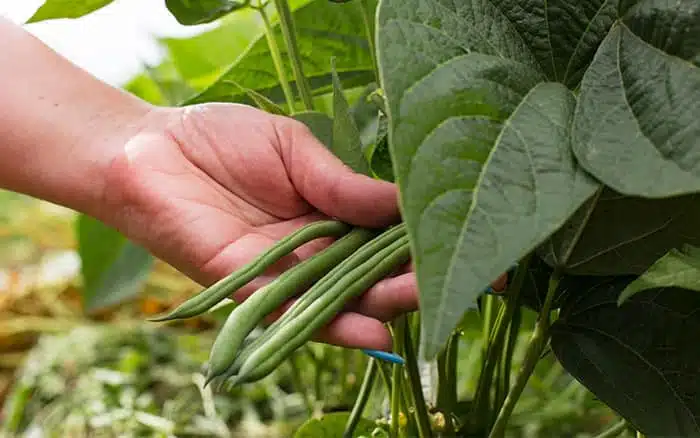
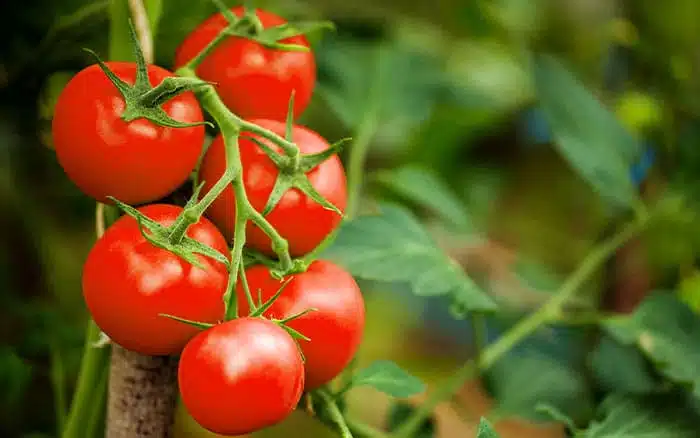

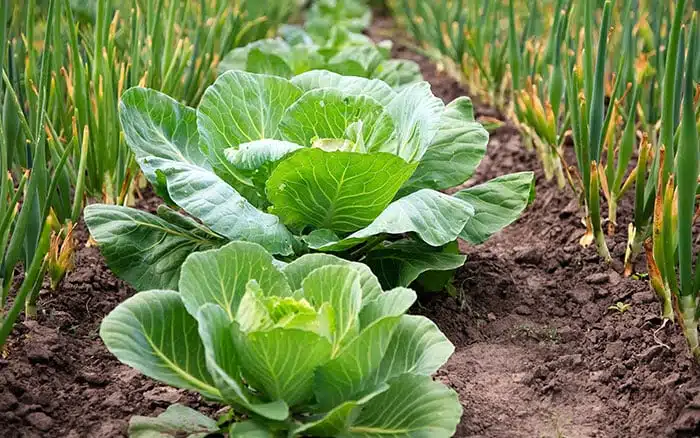
What do you love to eat? What’s expensive to buy? What will your family eat? Be realistic about the space you have available and the time you have for watering, maintenance, and harvesting.
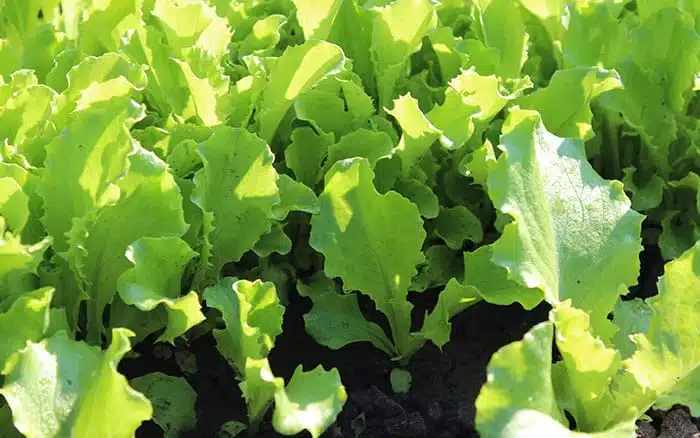
Good garden planning for vegetables balances ambition and practicality. Salad leaves, dwarf French beans, and compact tomatoes can all be grown in pots or growbags on a patio or balcony. If space allows, you could even plan beds for potatoes or brassicas.
Bare-root plants
This is the ideal time to order bare-root plants. Bare root is exactly what it says: plants without any soil around their roots. Some shrubs, like roses and hedging plants, are sold bare-root during the winter season when the plant is dormant. Plants are much cheaper and are said to grow way faster than the more expensive container-grown ones.
So keep a lookout for those when choosing your plants, as these too can be ordered now.

Order those seeds!
Once you’ve fine-tuned your list, head to your favourite seed supplier’s website and get your order in quickly before they sell out of your favourite varieties.
Don’t forget extras like compost, labels, and perhaps some new tools if you need them (or maybe add them to your Christmas present list!).
So, this month, whilst the rest of the world is frantically wrapping presents, take a moment for yourself. Plan your patch, order your seeds, and get ready for a glorious spring ahead. You’ll thank yourself when the first shoots emerge!
Happy planning!
For more great gardening advice, make sure you head to my YouTube Channel. Make sure you’re subscribed with notifications on so you don’t miss any of my new videos.
Frequently Asked Questions
1 – Why is December a good time for garden planning?
December is ideal for garden planning because the garden is sparse, making gaps easier to see. Seed companies are quieter, so you can order early before the spring rush.
2 – How do I start garden planning for next spring?
Start garden planning by grabbing a cuppa, pen, and paper. Note what worked, what did not, what you missed, and create lists for flowers, vegetables, and bare root plants.
3 – What should I consider when garden planning for a small space or balcony?
For compact spaces, garden planning focuses on containers, windowsills, and balconies. Choose compact tomatoes, salad leaves, dwarf beans, or trailing strawberries for pots, troughs, and railing planters.
4 – How does garden planning help me choose the right plants for my garden?
Garden planning helps you measure space, check sun and shade, and match plants to conditions. Sunny spots suit lavender or sunflowers, while shadier areas suit ferns, hostas, and foxgloves.
5 – What should I include on my garden planning list for next year?
A good garden planning list includes flowers for colour and cut blooms, vegetables your family will eat, and bare root plants such as roses, raspberries, or hedging ordered in winter.




Leave A Comment